Modern manufacturing depends heavily on speed, consistency, and scalability. Companies today are expected to produce larger quantities of products while maintaining precise quality standards across every production cycle. This growing demand is one of the biggest reasons why high volume injection molding California operations continue expanding across industries such as automotive, electronics, medical devices, packaging, and consumer products. Businesses are no longer looking for simple manufacturing processes alone. They now require production systems that can maintain stable output, support automation, and deliver repeatable quality over long production runs. This is exactly where high-volume injection molding systems play a major role in modern manufacturing environments throughout California.
Understanding the Basics of High-Volume Injection Molding
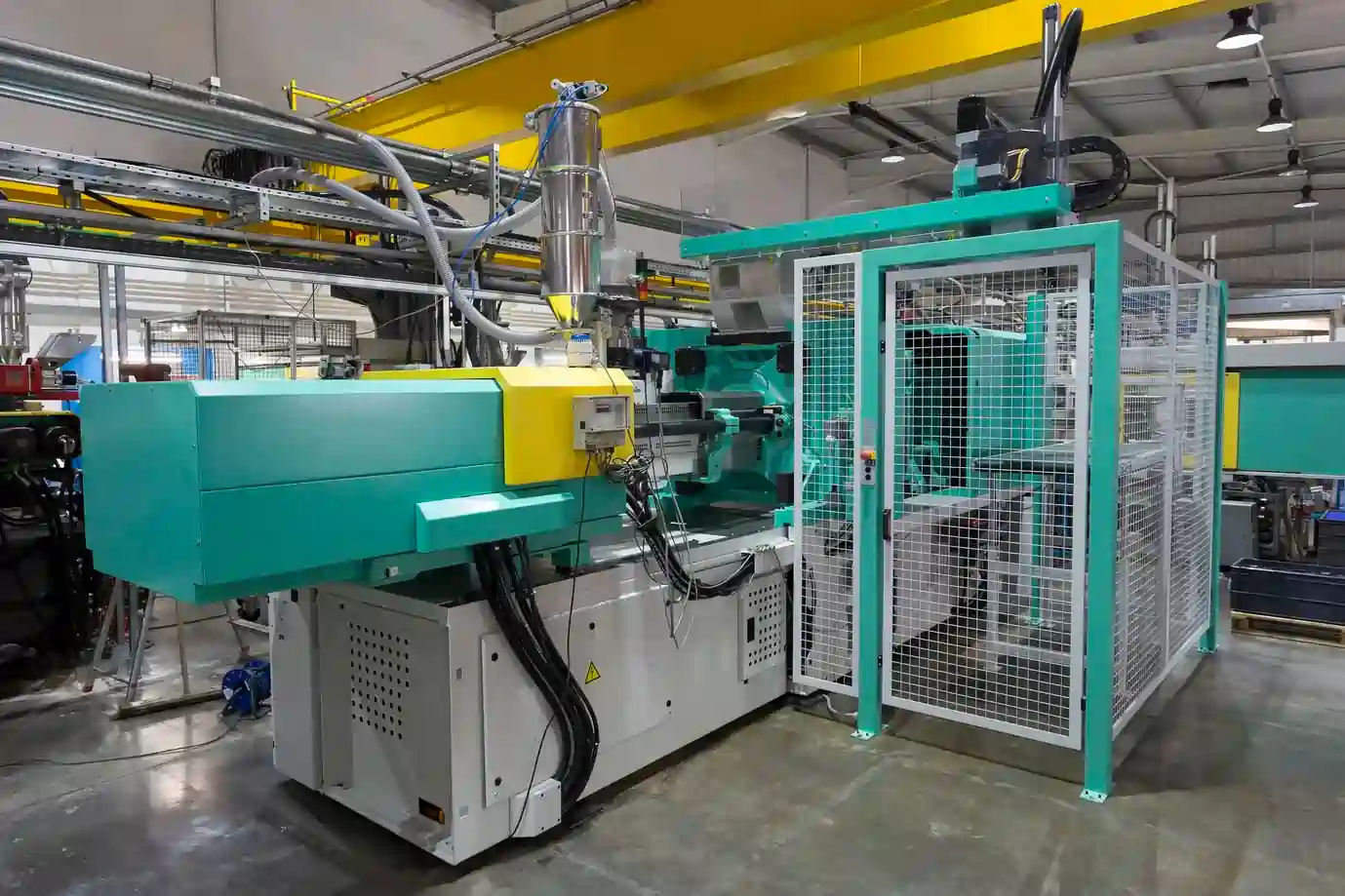
High-volume injection molding is a manufacturing process used to produce large quantities of plastic components efficiently and consistently. The system works by injecting molten plastic material into a precisely designed mold cavity under controlled pressure and temperature conditions.
Once the material cools and solidifies, the finished component is ejected, and the cycle repeats continuously. This allows manufacturers to produce thousands or even millions of identical parts with strong consistency and minimal variation.
Modern high volume injection molding california systems are designed to operate with advanced automation, process monitoring, and precision tooling to maintain stable production across large manufacturing environments.
The Main Stages of the Injection Molding Process
Injection molding systems follow a structured production cycle that repeats continuously during manufacturing operations.
Material Preparation
The process begins with plastic resin preparation. Raw plastic pellets are loaded into the molding machine through a hopper system.
The material is then heated inside a barrel until it reaches a molten state suitable for molding. Maintaining stable temperature conditions during this stage is extremely important because material consistency directly affects final product quality.
Mold Clamping
Before injection begins, the mold halves close tightly using a clamping system. This step ensures the mold remains sealed during injection pressure.
Strong clamping force is critical in preventing material leakage and maintaining accurate part formation throughout production cycles.
Material Injection
Once the mold is secured, molten plastic is injected into the mold cavity under controlled pressure. The material flows through runners and gates designed to distribute plastic evenly throughout the mold.
Modern high volume injection molding California systems use advanced pressure controls to maintain consistent filling conditions during production.
Cooling and Solidification
After injection, the molten plastic begins cooling inside the mold. Cooling systems help regulate mold temperature and support stable solidification.
Proper cooling is essential because uneven cooling can lead to defects such as warping, sink marks, or dimensional inconsistencies.
Part Ejection
Once the part solidifies fully, the mold opens and ejector systems remove the finished component. The mold then closes again to begin the next production cycle.
This continuous cycle allows manufacturers to maintain high production output with repeatable quality standards.
Why Automation Is Important in High-Volume Manufacturing
Modern injection molding systems rely heavily on automation to improve efficiency and reduce operational variation.
Robotic Handling Systems
Robotic systems help move finished parts, inserts, and materials throughout production operations. This reduces manual handling while improving consistency across production cycles.
Automated Quality Monitoring
Advanced monitoring systems continuously track production conditions such as:
- Injection pressure
- Material flow
- Temperature stability
- Cycle timing
- Machine performance
These systems help manufacturers identify production inconsistencies earlier before larger volumes are affected.
Automated Insert Placement
Some molded components require metal inserts or specialty materials during manufacturing. Automated insert placement systems help maintain accurate positioning and repeatability throughout production.
Automation continues strengthening high volume injection molding California operations by improving speed, precision, and operational stability.
The Role of Tooling in Injection Molding Systems
Tooling is one of the most important elements in any injection molding operation. The mold itself determines the final shape, dimensions, and quality of the component being produced.
Precision Mold Design
Modern molds are designed using advanced engineering software to support:
- Uniform material flow
- Controlled cooling behavior
- Reduced production defects
- Better dimensional consistency
High-quality tooling helps manufacturers maintain stable production across large manufacturing runs.
Tooling Durability
High-volume manufacturing places continuous pressure on molds during production. Durable tooling materials help manufacturers maintain long-term production consistency while reducing downtime related to repairs or maintenance.
Reliable tooling is a major factor supporting the success of high volume injection molding California production systems.
Industries That Depend on High-Volume Injection Molding
Several industries rely heavily on injection molding systems because of their ability to support scalable and precise manufacturing.
Automotive Manufacturing
Automotive companies use injection molding for components such as:
- Sensor housings
- Connectors
- Dashboard components
- Interior assemblies
- Medical Device Production
Medical manufacturers depend on injection molding for highly accurate and repeatable components including:
- Syringes
- Medical housings
- Diagnostic equipment parts
- Consumer Electronics
Electronics manufacturing requires compact and lightweight plastic components produced with consistent dimensional accuracy.
Packaging Manufacturing
Packaging industries rely on injection molding for producing:
- Caps
- Containers
- Closures
- Specialty packaging components
How Smart Manufacturing Is Improving Injection Molding
Modern manufacturing systems are becoming increasingly connected and data-driven. Smart manufacturing technologies now help injection molding operations maintain greater production visibility and operational control.
Real-Time Production Analysis
Connected systems allow manufacturers to monitor production conditions continuously and respond faster when inconsistencies appear.
Predictive Maintenance Systems
Predictive technologies help manufacturers identify equipment wear before major failures occur. This reduces unexpected downtime and supports more stable production environments.
AI-Driven Monitoring
AI-powered systems help analyze production trends and improve operational decision-making during manufacturing processes.
These technologies are helping modern high volume injection molding California facilities become more efficient, scalable, and responsive.
Conclusion
Manufacturing today depends heavily on operational efficiency, consistency, and scalability. Companies are no longer focused only on increasing production output. They also need manufacturing systems capable of maintaining precision and stable performance throughout long production cycles.
This is exactly why high-volume injection molding systems continue becoming more important across California’s manufacturing industry. Advanced automation, precision tooling, smart monitoring, and connected production technologies are helping manufacturers maintain stronger operational control while supporting large-scale manufacturing growth. As manufacturing requirements continue advancing, modern injection molding systems are becoming essential for supporting efficient, high-precision, and large-scale production operations.
FAQs
1. What is high-volume injection molding?
High-volume injection molding is a manufacturing process used to produce large quantities of plastic components efficiently through automated molding systems.
2. Why is automation important in injection molding systems?
Automation improves production consistency, reduces manual variation, supports faster cycle times, and enhances quality monitoring during manufacturing.
3. Which industries use high-volume injection molding the most?
Industries such as automotive, medical devices, electronics, packaging, and consumer products rely heavily on high-volume injection molding.
4. How does tooling affect injection molding quality?
Tooling directly impacts dimensional accuracy, production consistency, cooling behavior, and long-term manufacturing efficiency.