Every successful product begins with a vision, but turning that vision into a reliable, scalable, and market-ready solution requires the right manufacturing strategy. For OEMs and product developers, manufacturing decisions can influence product quality, development timelines, production costs, and long-term competitiveness. This is one of the reasons plastics manufacturing Chicago continues to play an important role in supporting innovation across multiple industries. With its combination of engineering expertise, advanced manufacturing capabilities, and strong industrial infrastructure, Chicago provides an environment where products can move efficiently from concept to production.
Why OEMs Need More Than Just Production Capacity
Manufacturing is no longer simply about producing parts. Today’s OEMs require partners who can contribute technical expertise, support product development, and help navigate increasingly complex market demands.
Modern manufacturers face challenges such as:
- Accelerated product launch timelines
- Higher customer expectations
- Increasing quality requirements
- Supply chain uncertainty
- Ongoing cost pressures
Meeting these requirements calls for a combination of expertise, planning, and manufacturing capabilities.
Manufacturers need partners who understand the entire product lifecycle and can support long-term business objectives.
How Product Developers Benefit from Manufacturing Expertise
Many product development challenges emerge long before production begins. Decisions made during design and engineering often determine whether a product can be manufactured efficiently and consistently.
Improving Product Designs Early
Early collaboration between product developers and manufacturing teams can identify opportunities to improve both product performance and manufacturability.
Areas frequently evaluated include:
- Material selection
- Component geometry
- Wall thickness consistency
- Draft angle optimization
- Assembly requirements
Addressing these considerations early can reduce production risks while improving overall product quality.
Reducing Development Risks
Late-stage design changes can create delays, increase costs, and extend product launch timelines.
Working with experienced professionals involved in plastics manufacturing Chicago helps businesses identify potential manufacturing concerns before they become expensive production problems. This proactive approach supports smoother development cycles and more predictable outcomes.
A Strong Manufacturing Ecosystem Supports Innovation
One of Chicago’s greatest strengths is its established industrial ecosystem. Manufacturers benefit from access to technical resources, supplier networks, and specialized expertise that support innovation at every stage of development.
Access to Engineering Talent
Chicago’s manufacturing history has created a deep pool of skilled professionals with expertise across multiple disciplines.
- Companies can access:
- Product development engineers
- Manufacturing specialists
- Tooling experts
- Quality professionals
- Supply chain and logistics specialists
This concentration of expertise allows businesses to solve complex manufacturing challenges more efficiently.
Collaboration Across Industries
Chicago supports a diverse range of industries, including:
- Medical devices
- Industrial equipment
- Consumer products
- Electronics
- Transportation systems
- Packaging technologies
This diversity encourages knowledge sharing and often leads to innovative solutions that can be adapted across different applications and markets.
Faster Product Development Through Strategic Location
Speed to market is often a key competitive advantage. Manufacturing location can significantly influence how quickly products move from development to production.
Easier Communication and Collaboration
Strong communication between development teams and manufacturing partners helps improve project outcomes.
Benefits include:
- Faster decision-making
- Greater project visibility
- Improved issue resolution
- Reduced development delays
When engineering and manufacturing teams collaborate effectively, projects often progress more efficiently and with fewer disruptions.
Improved Supply Chain Coordination
Chicago’s central location and transportation infrastructure support efficient movement of materials and finished products throughout North America.
For organizations utilizing plastics manufacturing Chicago, access to major transportation networks helps simplify logistics, improve delivery performance, and reduce operational complexity.
Manufacturing Flexibility for Evolving Products
Products rarely remain unchanged throughout their lifecycle. Customer feedback, technological advancements, and market trends often require ongoing improvements.
Supporting Product Iterations
Manufacturing partners must be able to accommodate product modifications without negatively affecting production performance.
This flexibility allows companies to:
- Introduce product enhancements
- Respond to changing customer needs
- Launch product variations
- Maintain competitive positioning
The ability to adapt efficiently can significantly influence long-term product success.
Scaling From Prototype to Production
Many products begin with prototypes and pilot programs before expanding into larger production volumes.
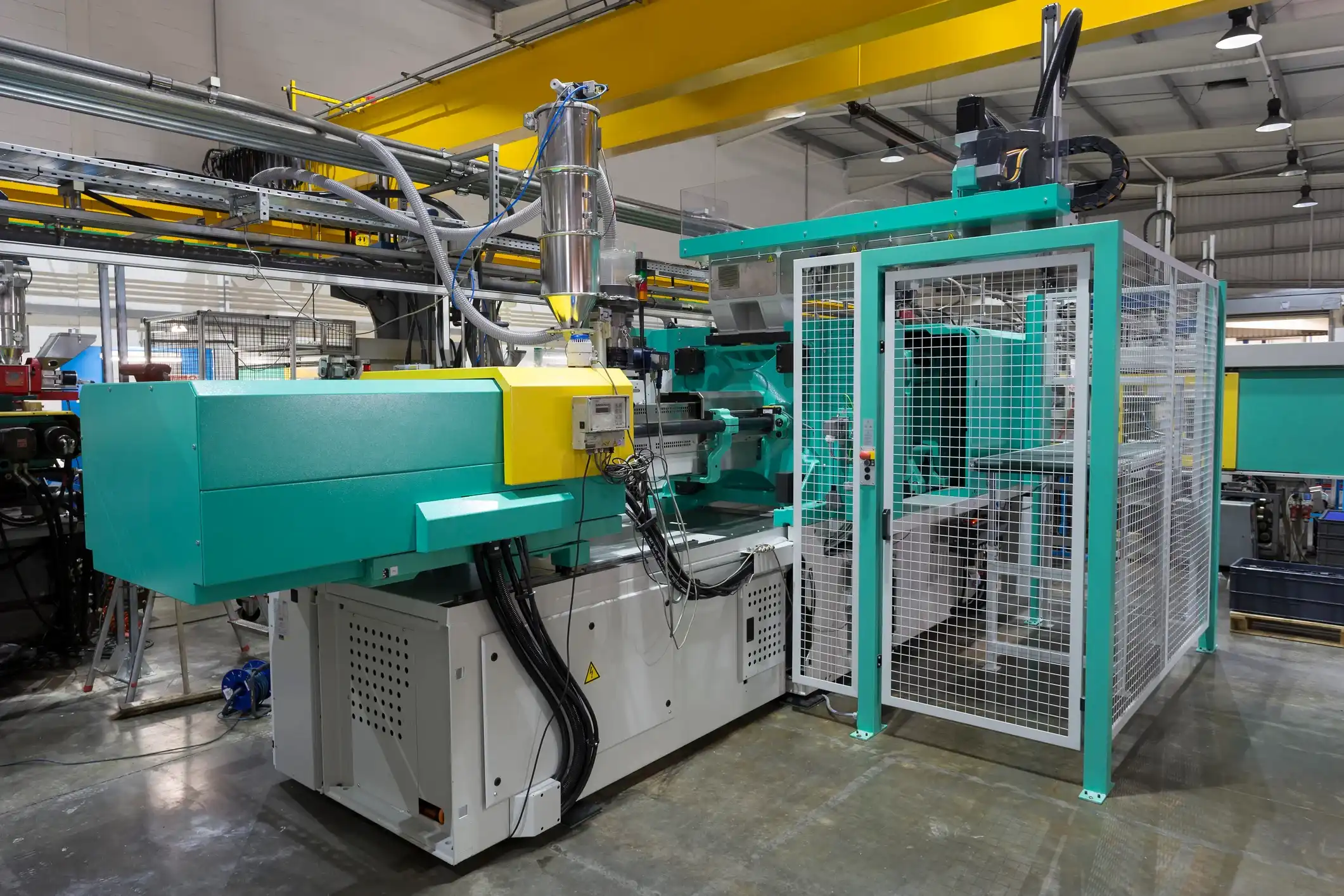
Manufacturers involved in plastics manufacturing Chicago often provide scalable production capabilities that support growth while maintaining consistent quality and process control.
Quality Systems Help Protect Product Integrity
Quality remains one of the most important considerations for OEMs and product developers. Even minor inconsistencies can impact performance, customer satisfaction, and brand reputation.
Consistency Across Production Runs
Reliable manufacturing depends on disciplined processes and effective quality management systems.
Common quality practices include:
- Process validation
- Statistical process control
- Material traceability
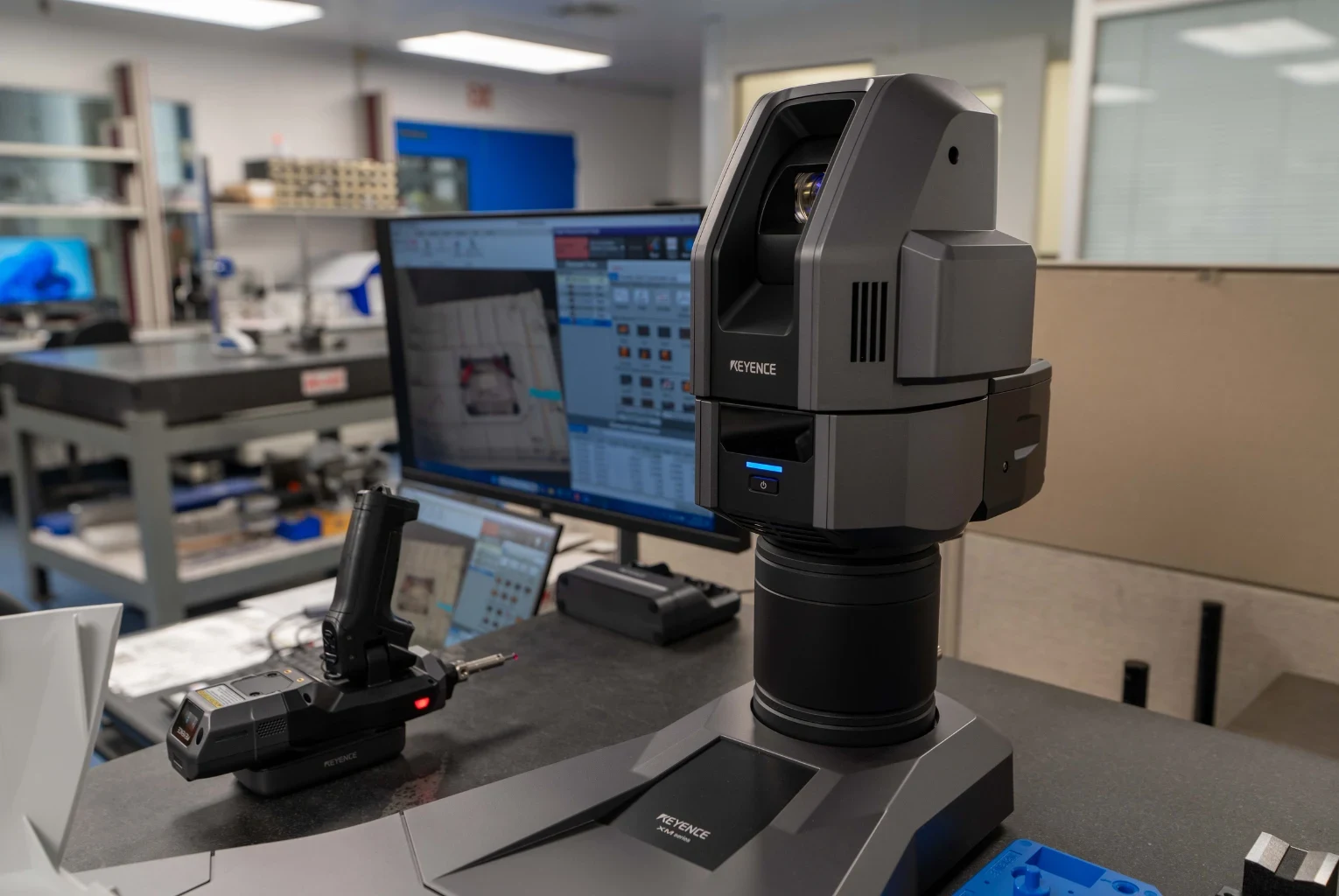
- Inspection and testing programs
These systems help ensure products consistently meet design specifications and customer expectations.
Supporting Regulatory Requirements
Many industries operate within highly regulated environments where documentation and traceability are essential.
Manufacturers with mature quality systems can help support:
- Regulatory compliance efforts
- Product validation requirements
- Risk reduction initiatives
- Long-term process stability
This level of control is particularly valuable for industries such as healthcare, electronics, and industrial equipment.
Advanced Manufacturing Capabilities Create Competitive Advantages
As products become more sophisticated, manufacturers must continually invest in technologies and processes that support evolving requirements.
Precision Manufacturing Technologies
Advanced manufacturing capabilities contribute to:
- Improved dimensional accuracy
- Enhanced product consistency
- Greater production efficiency
- Higher overall quality
These advantages support better product performance while reducing operational risks.
Value-Added Services
Many manufacturers now offer integrated services that simplify operations and reduce supplier management challenges.
Examples include:
- Assembly and sub-assembly
- Insert molding
- Overmolding
- Product finishing
Packaging and fulfillment support
Consolidating these services within a single manufacturing partner can improve efficiency and streamline supply chain operations.
Long-Term Partnerships Drive Sustainable Growth
The strongest manufacturing relationships are built on collaboration, trust, and shared objectives.
Rather than functioning solely as suppliers, strategic manufacturing partners contribute ongoing value through:
- Engineering support
- Process improvements
- Production scalability
- Operational reliability
Organizations that invest in plastics manufacturing Chicago often gain access to manufacturing partners capable of supporting growth throughout the entire product lifecycle.
Conclusion
Developing successful products requires more than innovative designs and market demand. It requires manufacturing partners capable of supporting engineering excellence, production efficiency, quality control, and long-term scalability. By combining technical expertise, advanced manufacturing capabilities, and a strong industrial ecosystem, plastics manufacturing Chicago continues to provide OEMs and product developers with valuable advantages throughout the product lifecycle. At Craftech, we believe that long-term manufacturing success is built on collaboration, innovation, and dependable engineering support. For businesses seeking to improve product quality, accelerate development, and support sustainable growth, Chicago remains a strategic manufacturing destination that delivers lasting value.
FAQs
1. Why do OEMs choose plastics manufacturing partners in Chicago?
OEMs are often attracted to Chicago because of its engineering expertise, skilled workforce, advanced manufacturing infrastructure, and strong transportation network that supports efficient production and distribution.
2. How does manufacturing collaboration improve product development?
Early collaboration helps identify design challenges, improve manufacturability, reduce production risks, and accelerate product launches while maintaining quality standards.
3. Can plastics manufacturers in Chicago support both prototypes and large production runs?
Yes. Many manufacturers offer scalable production capabilities that support product development, pilot programs, low-volume manufacturing, and high-volume production requirements.