
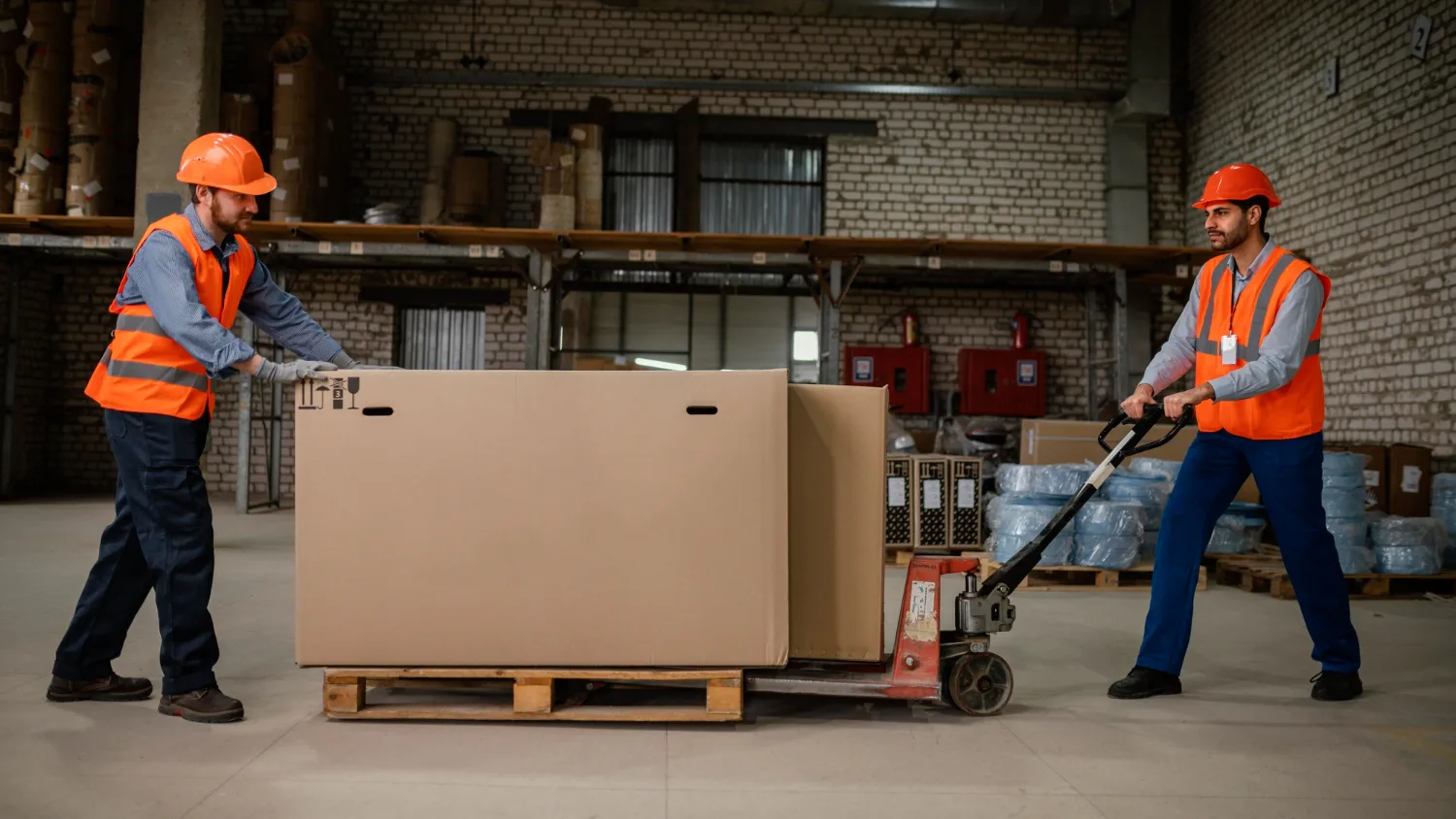
In today’s fast-paced industrial landscape, businesses rely heavily on efficient logistics and material handling systems. A Top Pallet Manufacturer plays a crucial role in ensuring that pallets meet strict quality, safety, and regulatory requirements. From raw material selection to final inspection, maintaining industry standards and compliance is not just a responsibility, it’s a necessity for ensuring durability, safety, and global usability.
Understanding Industry Standards for Pallet Manufacturing
Pallets are used across multiple industries, including warehousing, shipping, pharmaceuticals, and food processing. Because of this wide usage, manufacturers must comply with various national and international standards.
Some of the most often used standards are:
- ISPM-15 (International Standards for Phytosanitary Measures): Ensures wooden pallets are treated to prevent pest infestation.
- ISO standards: Focus on quality management systems and product consistency.
- EPAL and EUR certifications: Govern the design and quality of European pallets.
Top manufacturers stay updated with these evolving standards and ensure that their production processes align with them consistently.
High-Quality Raw Material Selection
Compliance begins at the very foundation—raw materials. Reputed pallet manufacturers carefully select materials such as hardwood, softwood, plastic, or metal based on industry requirements.
Key practices include:
- Using sustainably sourced wood
- Ensuring moisture content is within acceptable limits
- Avoiding defects like cracks, knots, or warping
By maintaining strict material selection criteria, manufacturers ensure that the final product meets both strength and safety standards.
Advanced Manufacturing Processes
Modern pallet manufacturers invest in advanced machinery and automated systems to ensure precision and uniformity. Automation helps reduce human error and enhances consistency across large production volumes.
Common practices include:
- Computer-controlled cutting and assembly
- Precision nailing and fastening systems
- Heat treatment chambers for compliance with ISPM-15
These technologies help manufacturers meet exact specifications required by different industries and regions.
Strict Quality Control Measures
Quality control is a critical aspect of maintaining compliance. A structured quality assurance system ensures that every pallet meets predefined standards before it reaches the customer.
Quality checks typically involve:
- Load-bearing capacity tests
- Dimensional accuracy inspections
- Surface finish and durability assessments
Top manufacturers also conduct random sampling and batch testing to maintain consistent product quality over time.
Adherence to Environmental and Safety Regulations
Sustainability and workplace safety are becoming increasingly important in manufacturing. Leading pallet manufacturers adopt eco-friendly practices to comply with environmental regulations.
These include:
- Recycling wood waste and using biodegradable materials
- Reducing emissions during production
- Implementing safe handling and storage procedures
Additionally, worker safety protocols such as protective equipment and training programs ensure compliance with occupational health standards.
Certification and Documentation
Certifications serve as proof of compliance and build trust among clients. A reliable pallet manufacturer maintains proper documentation and regularly undergoes audits.
Important certifications include:
- ISO 9001 for quality management
- ISPM-15 marking for international shipping pallets
- Industry-specific compliance certifications
Proper labeling and traceability also ensure that pallets can be tracked back to their source, which is essential for quality assurance and accountability.
Continuous Improvement and Innovation
The best manufacturers understand that compliance is not a one-time effort. Continuous improvement is essential for keeping ahead in an environment of competition.
They achieve this by:
- Investing in research and development
- Gathering customer feedback for product enhancement
- Adopting new technologies and materials
Innovation helps manufacturers not only meet current standards but also prepare for future regulatory changes.
Employee Training and Expertise
A skilled team is critical to sustaining high standards. Top manufacturers invest in regular training programs to keep employees updated on the latest industry practices and compliance requirements.
Training areas include:
- Quality control procedures
- Safety protocols
- Equipment handling and maintenance
Well-trained employees ensure that every stage of production aligns with industry expectations.
Conclusion
Maintaining industry standards and compliance is a comprehensive process that involves quality materials, advanced technology, strict testing, and continuous improvement. A trusted manufacturer ensures that every pallet delivered meets global requirements, providing reliability and safety across supply chains. Businesses that partner with such manufacturers benefit from long-lasting, compliant solutions that enhance operational efficiency. Ultimately, choosing the right partner, whether a pallet expert or a Material Trolley Manufacturer, plays a vital role in building a strong and compliant logistics system.