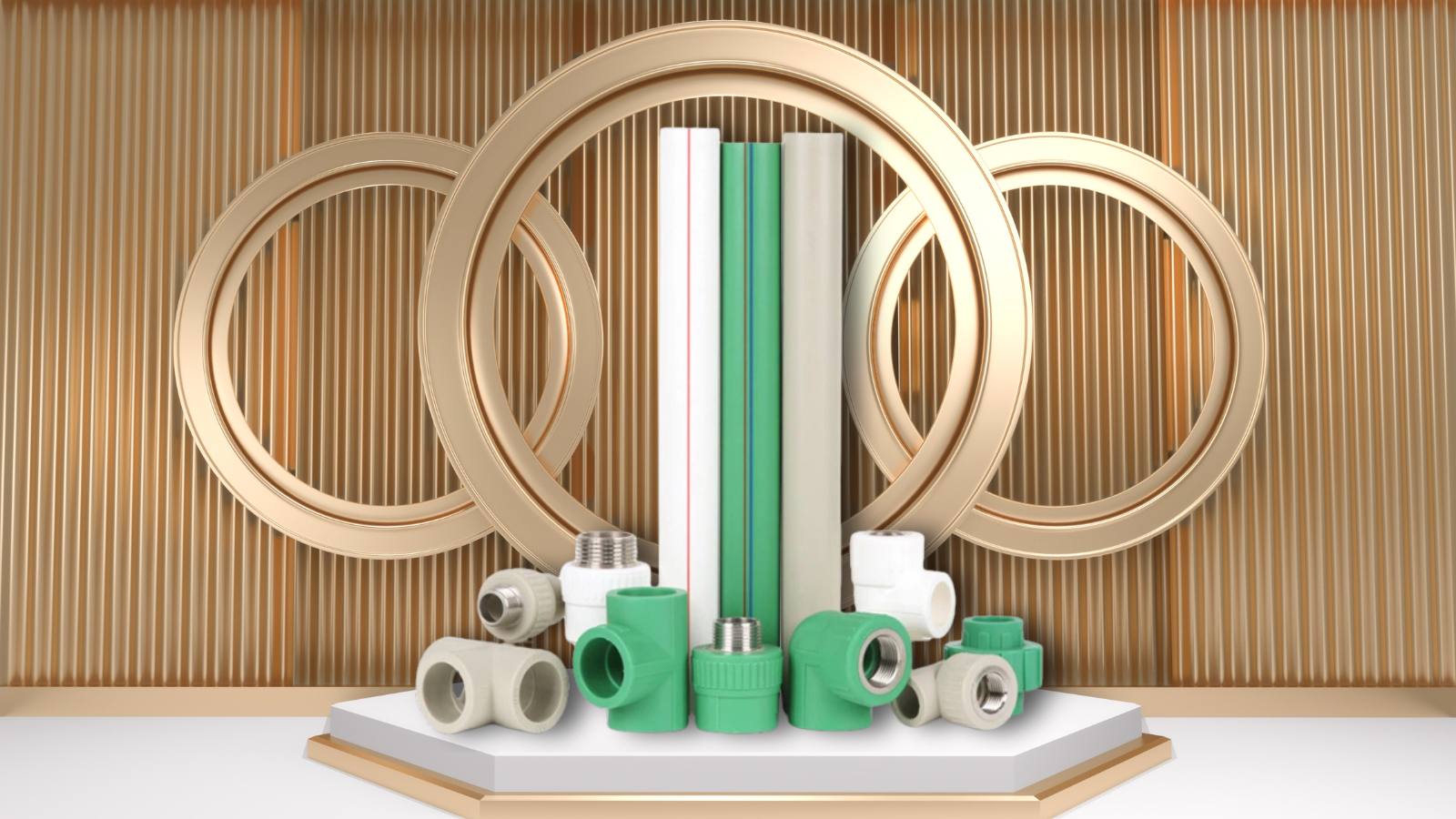
Modern plumbing systems require piping solutions that can deliver reliable performance, durability, and efficient water flow over the long term. With advancements in piping technology, homeowners, builders, contractors, and infrastructure developers now have several options to consider. Among the most widely used solutions are PPR and uPVC pipes, each offering specific advantages for different applications.
Choosing the right piping material is important because the pipework forms the backbone of a plumbing system. Factors such as temperature resistance, pressure handling, corrosion resistance, installation requirements, maintenance, and intended application can all influence the final decision. Understanding the characteristics of PPR and uPVC pipes can therefore help in selecting a solution that matches the needs of a particular project.
Understanding PPR Pipes
PPR, or Polypropylene Random Copolymer, is a thermoplastic material widely used for modern plumbing and water distribution systems. PPR pipes are designed to provide dependable performance in residential, commercial, and industrial applications where efficient water transportation is required.
One of the major characteristics of PPR piping is its resistance to corrosion and chemical reactions. Unlike conventional metallic pipes, PPR does not rust, which can contribute to a cleaner and longer-lasting plumbing system. Its smooth internal surface also helps maintain efficient water flow while reducing the accumulation of deposits inside the pipe.
Another important advantage is the heat-fusion joining technique used with PPR systems. Pipes and fittings can be joined through heat fusion, creating a strong and continuous connection. This can reduce the possibility of leakage when the system is installed correctly.
For projects requiring a dependable solution for water distribution, selecting high-quality PPR Pipes can provide a combination of durability, hygienic performance, and installation efficiency.
What Are uPVC Pipes?
uPVC stands for unplasticized polyvinyl chloride. It is a rigid and durable plastic material commonly used for drainage, wastewater management, water transportation, and other piping applications.
uPVC pipes are known for their resistance to corrosion, moisture, and many chemicals. Their lightweight construction can also make transportation and installation easier compared with heavier traditional piping materials.
Because uPVC does not corrode like metal, it can be particularly useful in drainage and wastewater systems where exposure to moisture and various substances is common. The smooth internal surface can support efficient flow and help minimize the buildup of unwanted material.
The material’s rigidity also provides good structural performance for applications where the piping system needs to maintain its shape. These characteristics have made uPVC a popular choice for drainage networks, soil and waste systems, and several water management applications.
PPR Pipes and uPVC Pipes: How Do They Differ?
Although both PPR and uPVC are plastic piping materials, they are designed with different characteristics and applications in mind. Understanding these differences is essential when choosing a piping system.
PPR is particularly well suited to hot and cold water distribution. Its thermal properties and heat-fusion joining method make it a practical choice for plumbing systems where temperature variations are expected.
uPVC, on the other hand, is widely associated with drainage, wastewater, and cold-water applications. Its rigidity, chemical resistance, and corrosion-resistant properties make it suitable for systems where reliable fluid transportation and drainage are priorities.
The joining methods also differ. PPR generally uses heat fusion, while uPVC systems commonly use mechanical or solvent-based joining methods depending on the specific product and application. The appropriate installation technique should always be followed according to the manufacturer’s recommendations.
Benefits of PPR Piping Systems
PPR piping systems offer several features that make them suitable for modern plumbing projects. Their resistance to corrosion means that they do not suffer from rust-related problems commonly associated with metal pipes.
The smooth inner surface of PPR pipes can support efficient water movement and reduce friction losses. This can be particularly valuable in water distribution systems where consistent flow is important.
PPR is also valued for its ability to handle both hot and cold water applications when the appropriate pipe specification is selected. This makes it useful for residential plumbing, commercial buildings, hotels, hospitals, and other facilities requiring reliable water distribution.
Another notable feature is the fusion-based connection system. Properly fused joints can create a secure and reliable piping network with reduced leakage risks.
Advantages of uPVC Pipes for Drainage and Water Management
uPVC pipes have become an important component of modern drainage and wastewater infrastructure. Their resistance to corrosion and moisture makes them suitable for environments where continuous exposure to water is unavoidable.
Their lightweight nature can simplify handling during transportation and installation. This can potentially reduce the effort involved in moving pipe sections around a construction site.
uPVC also offers good resistance to many chemicals, making it useful in applications where the piping system may come into contact with different substances. Its smooth internal surface facilitates the movement of wastewater and other fluids through the system.
For those researching the best uPVC pipes in India, it is important to consider factors such as application requirements, pipe specifications, installation conditions, quality standards, and long-term performance rather than choosing a product based on price alone.
Applications of PPR Pipes
PPR pipes are used across a wide range of plumbing applications because of their suitability for hot and cold water systems. In residential buildings, they can be used for bathroom plumbing, kitchen water supply, water distribution networks, and other domestic applications.
Commercial buildings such as offices, hotels, shopping complexes, and educational facilities can also use PPR systems for water transportation. Their corrosion resistance and reliable jointing system make them suitable for projects where long-term plumbing performance is important.
Industrial facilities may use specialized PPR piping solutions for water transportation and selected process applications, depending on the operating conditions and product specifications.
Applications of uPVC Pipes
uPVC pipes are commonly used in drainage and wastewater systems. They can be found in residential buildings, commercial properties, industrial facilities, and infrastructure projects.
Typical applications include soil and waste drainage, rainwater management, wastewater transportation, and other fluid-handling requirements where uPVC is technically appropriate.
Their corrosion resistance makes them particularly valuable in drainage environments where prolonged exposure to water can affect conventional materials.
Factors to Consider Before Selecting a Pipe
The right pipe should always be selected according to the specific requirements of the project. One of the first factors to consider is the type of fluid being transported. Drinking water, hot water, wastewater, rainwater, and industrial fluids may require different piping solutions.
Temperature is another important consideration. For hot-water applications, the pipe material must be capable of handling the expected operating temperature for the required service life.
Pressure requirements should also be evaluated. Pipe dimensions, pressure ratings, and operating conditions should correspond to the demands of the plumbing network.
Installation conditions matter as well. The available space, joining method, accessibility, environmental conditions, and skill level of the installation team can influence the choice of piping system.
Finally, product quality and compliance with applicable standards should never be overlooked. Using properly manufactured pipes and compatible fittings can contribute significantly to the reliability of the complete system.
Why Quality Matters in Piping Systems
A plumbing system is only as dependable as the components used to build it. Even a technically suitable pipe can perform poorly if it is manufactured using inferior materials or installed incorrectly.
Quality pipes and fittings are designed to maintain consistent dimensions, strength, and performance. Using compatible fittings is equally important because joints represent critical points within any piping network.
KPT Pipes focuses on providing piping solutions designed for different plumbing, water management, and infrastructure requirements. From PPR systems to uPVC and other specialized piping products, selecting the appropriate solution according to the application can help create efficient and dependable networks.
Making the Right Choice for Your Project
There is no single pipe material that is ideal for every plumbing application. PPR and uPVC each have their own strengths and are suited to different requirements.
PPR is often an excellent choice for hot and cold water distribution because of its corrosion resistance, smooth internal surface, and fusion-based joining system. uPVC, meanwhile, can be highly suitable for drainage, wastewater, and other applications requiring a rigid, lightweight, and corrosion-resistant piping material.
The best approach is to evaluate the project’s operating conditions, fluid type, temperature, pressure, installation requirements, expected service life, and applicable standards before making a selection.
Building Better Plumbing Systems with the Right Pipes
Modern plumbing requires more than simply transporting water from one point to another. A properly designed piping system should deliver efficient flow, dependable connections, durability, and consistent performance throughout its intended service life.
PPR and uPVC pipes have become important solutions for achieving these objectives across residential, commercial, industrial, and infrastructure projects. While PPR is widely suited to hot and cold water distribution, uPVC offers valuable advantages for drainage, wastewater, and selected water management applications.
By understanding the differences between these materials and choosing products according to actual project requirements, builders, contractors, and property owners can develop plumbing systems that are efficient, reliable, and built for long-term performance. With quality pipes, compatible fittings, correct installation practices, and appropriate product selection, modern plumbing infrastructure can deliver dependable service for years to come.