
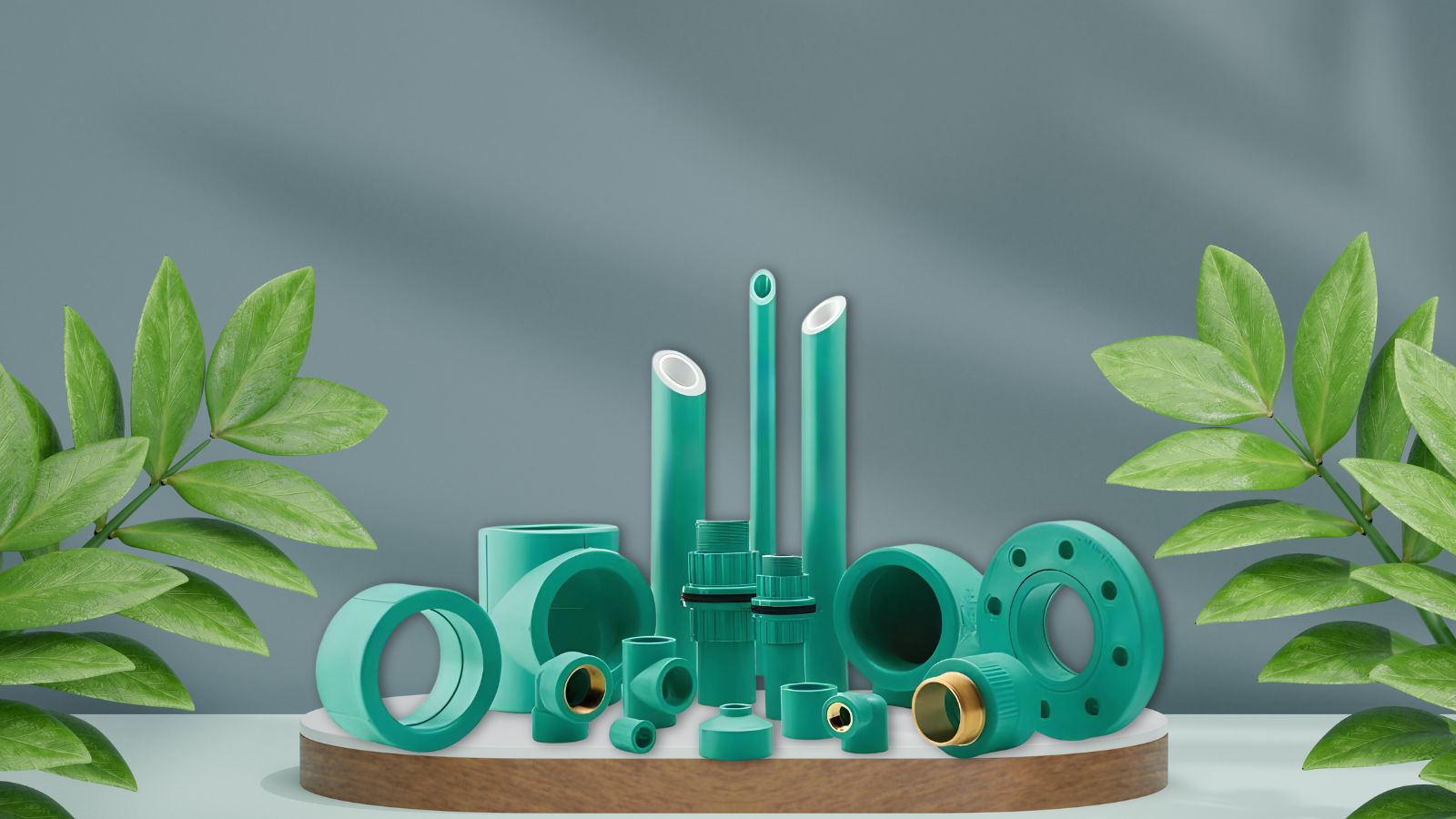
In today’s fast-evolving construction and infrastructure landscape, choosing the right piping system is no longer just about transporting water. It is about durability, hygiene, energy efficiency, and long-term performance. This is where PPR Pipes have emerged as a trusted and modern solution for residential, commercial, and industrial plumbing needs. Known for their superior strength, thermal resistance, and chemical stability, PPR pipes are rapidly replacing conventional piping materials across India.
As a leading pipes manufacturing company in India, KPT Pipes offers advanced PPR piping solutions engineered to meet modern plumbing challenges while ensuring safety, efficiency, and sustainability.
Understanding PPR Pipes and Their Composition
PPR pipes are made from Polypropylene Random Copolymer, a high-quality thermoplastic material designed to handle both hot and cold water applications. Unlike traditional metal or PVC pipes, PPR pipes maintain their structural integrity even under high pressure and temperature variations. Their smooth inner surface prevents scaling and corrosion, ensuring consistent water flow throughout their lifespan.
If you want to understand the material in detail, this guide on PPR Pipe explains how PPR technology works and why it is widely used in modern plumbing systems.
One of the biggest advantages of PPR pipes is their heat fusion jointing system. Instead of using adhesives or mechanical fittings, PPR pipes are joined using thermal welding, creating leak-proof and homogenous joints that last for decades.
Why PPR Pipes Are a Game-Changer in Plumbing Systems
The growing demand for reliable plumbing infrastructure has made PPR pipes a preferred choice among architects, builders, and engineers. Their ability to perform under extreme conditions without compromising water quality makes them ideal for modern construction projects.
PPR pipes offer excellent resistance to high temperatures, making them suitable for hot water lines, solar water systems, and industrial fluid transfer. At the same time, they remain equally efficient in cold water applications without becoming brittle or losing strength.
Another critical factor is hygiene. PPR pipes are non-toxic and do not react with water, ensuring safe potable water supply. This makes them ideal for residential buildings, hospitals, hotels, and food processing units where water purity is non-negotiable.
Applications of PPR Pipes Across Multiple Sectors
PPR pipes are extremely versatile and are widely used across various sectors due to their adaptability and performance.
In residential buildings, they are used for concealed and open plumbing systems, hot and cold water distribution, and overhead tank connections. Their long service life and low maintenance make them ideal for modern homes.
Commercial buildings such as offices, malls, hotels, and educational institutions rely on PPR pipes for centralized water systems and HVAC applications. Their ability to handle continuous pressure ensures uninterrupted water supply in high-usage environments.
In industrial settings, PPR pipes are used for chemical fluid transfer, compressed air systems, and process pipelines. Their resistance to chemicals and corrosion makes them a dependable choice for factories and manufacturing units.
Agricultural and irrigation systems also benefit from PPR pipes due to their durability, smooth flow characteristics, and resistance to environmental stress.
Durability and Long-Term Cost Benefits
One of the strongest reasons behind the widespread adoption of PPR pipes is their exceptional lifespan. When installed correctly, PPR piping systems can last over 50 years without significant performance degradation. This long service life significantly reduces replacement and repair costs, offering excellent value for money.
Unlike metal pipes, PPR pipes do not rust or corrode, even in aggressive water conditions. Their resistance to scaling ensures consistent water pressure and flow over time. Additionally, their lightweight nature makes transportation and installation easier, reducing labor costs on-site.
From a long-term investment perspective, PPR pipes deliver superior performance with minimal maintenance, making them a cost-effective solution for both small and large-scale projects.
PPR Pipes and Sustainable Construction
With sustainability becoming a priority in modern construction, PPR pipes align perfectly with eco-friendly building practices. They are fully recyclable and require less energy to manufacture compared to traditional piping materials. Their long lifespan further reduces material waste and environmental impact.
Energy efficiency is another key benefit. Due to their low thermal conductivity, PPR pipes minimize heat loss in hot water systems, contributing to energy savings in residential and commercial buildings.
Complementing Other Advanced Piping Solutions
While PPR pipes dominate hot and cold water applications, a complete plumbing infrastructure often requires specialized piping solutions for drainage and waste systems. In such cases, choosing products from the best swr pipes company in india ensures seamless integration of supply and drainage systems within a single project.
KPT Pipes offers a comprehensive range of piping solutions that work together to create efficient, durable, and compliant plumbing networks.
Installation Efficiency and Reliability
The installation process of PPR pipes is straightforward yet highly reliable. Heat fusion welding creates a permanent bond between pipes and fittings, eliminating the risk of leakage. This jointing method not only enhances system reliability but also speeds up installation, especially in large projects.
Because PPR pipes are lightweight and flexible, they reduce installation fatigue and allow easier routing through walls, ceilings, and floors. This flexibility makes them suitable for both new constructions and renovation projects.
Why Choose KPT Pipes for PPR Solutions
KPT Pipes stands out as a trusted pipes manufacturing company in India, offering high-quality PPR pipes manufactured under strict quality standards. Each product undergoes rigorous testing to ensure strength, pressure resistance, and long-term performance.
With a strong focus on innovation, durability, and customer satisfaction, KPT Pipes delivers piping solutions that meet the evolving demands of modern infrastructure. Whether it is a residential project or a large industrial setup, KPT PPR pipes provide reliability you can depend on.
The Future of Plumbing with PPR Pipes in India
As construction technologies continue to evolve, PPR pipes are expected to play an even bigger role in shaping efficient and sustainable plumbing systems. Their adaptability, performance, and environmental benefits make them a future-ready solution for smart cities and green buildings.
Investing in PPR pipes today means choosing a plumbing system that will perform efficiently for decades, ensuring safety, cost savings, and peace of mind.
Frequently Asked Questions
Q1. What makes PPR pipes better than traditional plumbing pipes?
Ans: PPR pipes offer higher durability, better temperature resistance, leak-proof joints, and longer service life compared to traditional metal or PVC pipes.
Q2. Are PPR pipes suitable for hot water applications?
Ans: Yes, PPR pipes are specifically designed to handle high temperatures, making them ideal for hot water lines and solar water heating systems.
Q3. How long do PPR pipes last?
Ans: When installed correctly, PPR pipes can last more than 50 years with minimal maintenance.
Q4. Are PPR pipes safe for drinking water?
Ans: Absolutely. PPR pipes are non-toxic, corrosion-resistant, and do not contaminate water, making them safe for potable water supply.
Q5. Can PPR pipes be used in commercial and industrial projects?
Ans: Yes, PPR pipes are widely used in commercial buildings and industrial applications due to their strength, chemical resistance, and reliability.