Selecting a manufacturing partner can influence a product’s quality, production costs, and long-term commercial success. Businesses need more than a supplier capable of producing plastic components; they need a partner who understands technical requirements, identifies potential challenges, and supports changing production demands. The leading injection molding companies in Mexico stand out through their engineering knowledge, quality management practices, production capabilities, and commitment to customer collaboration. Understanding these differences helps businesses evaluate potential suppliers and choose a manufacturing partner that aligns with their product requirements and operational goals.
1. Engineering Knowledge That Goes Beyond Production
A capable manufacturer contributes much more than machine time. Strong engineering support helps identify design limitations, improve production efficiency, and prevent avoidable manufacturing problems before they become expensive to resolve.
Design for Manufacturability
Design for manufacturability (DFM) helps engineers determine whether a component can be produced efficiently without compromising its intended function. During this review, they assess wall thickness, draft angles, part geometry, material selection, and other design features that influence the molding process.
For instance, uneven wall thickness can contribute to inconsistent cooling, warping, and sink marks. Identifying these concerns before tooling begins can reduce expensive modifications and production delays.
Manufacturers that provide early engineering input can help customers refine their designs, improve manufacturability, and establish a smoother transition from development to production.
Tooling and Mold Development
Mold design directly affects component quality, production efficiency, and long-term maintenance requirements. Experienced manufacturers understand how cavity design, cooling channels, material flow, and tooling construction influence the finished product.
Coordinating tooling development with production planning also helps identify potential problems before manufacturing begins. This approach can reduce unnecessary adjustments and support more consistent production results.
2. Quality Systems Built Around Consistency
Producing a single acceptable component is different from manufacturing thousands of parts that consistently meet established specifications. Reliable production depends on quality procedures that help maintain the required standards throughout every production run.
Process Monitoring and Inspection
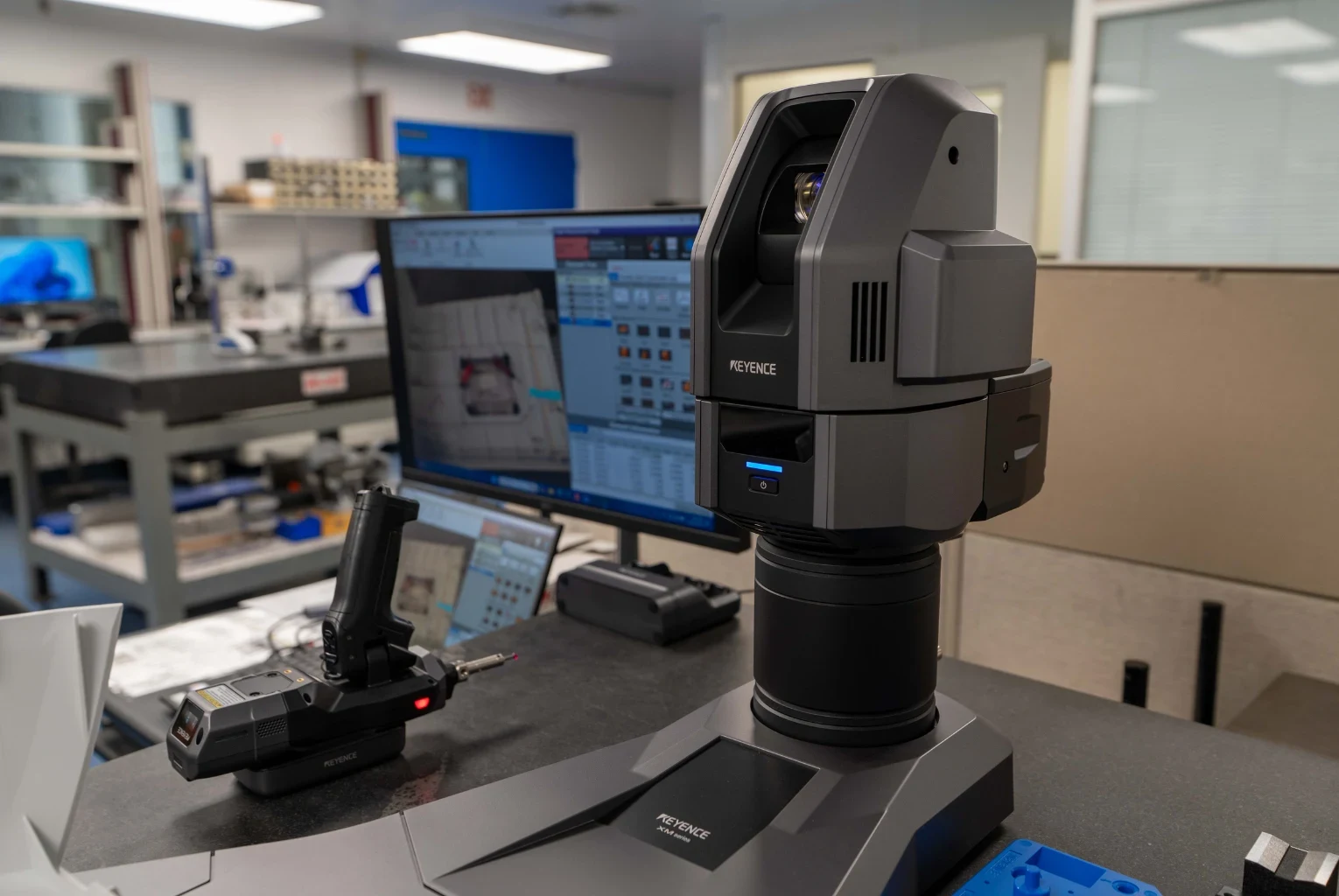
Quality assurance begins before full-scale production. Depending on the project, manufacturers may inspect incoming materials, validate initial samples, monitor critical processing parameters, and measure finished components against customer specifications.
Inspection methods can include dimensional measurements, visual assessments, and specialized testing based on the component’s intended application.
Regular monitoring helps identify process variations early, reducing the likelihood of widespread defects. It also provides useful information for troubleshooting and improving manufacturing performance.
Documentation and Traceability
Industries with demanding quality standards rely on detailed manufacturing records to ensure process consistency and product compliance.
Documented material details, inspection findings, manufacturing data, and records of process changes provide evidence that production requirements have been met. Depending on the industry, customers may also require specific certifications or documented compliance measures.
Businesses should verify a supplier’s quality systems, relevant certifications, and documentation practices against the actual requirements of their projects.
3. Material Expertise and Application-Specific Solutions
Selecting a suitable plastic resin requires an understanding of how the finished component will perform under mechanical stress, temperature changes, chemical exposure, and other operating conditions.
Choosing Materials for Performance
Different polymers offer different advantages. Polypropylene is commonly used in applications requiring low weight and chemical resistance, while ABS is often selected for its impact resistance and surface finish. Engineering plastics such as polycarbonate and nylon may suit applications with particular mechanical or thermal requirements.
However, material selection should never rely on general properties alone. Engineers must also consider processing conditions, dimensional requirements, operating environments, cost, and applicable industry standards.
Balancing Cost and Durability
Choosing the least expensive resin does not necessarily result in the lowest overall cost. A material that cannot withstand its intended operating conditions may lead to premature failures, replacement expenses, and customer complaints.
Manufacturers with strong material expertise help businesses compare available options and select a resin that balances performance, durability, manufacturability, and budget requirements.
4. Production Flexibility and Scalable Capacity
Production requirements can change significantly as a product moves from its initial launch to established market demand. A suitable manufacturing partner should be able to accommodate these changes without compromising quality or delivery commitments.
Managing Different Production Volumes
Some projects begin with limited production quantities before moving to larger orders. Others require consistent output over extended periods. Manufacturers must plan machine availability, tooling, staffing, and production schedules according to these requirements.
The ability to support different production volumes gives businesses greater flexibility as demand develops. However, companies should confirm actual capacity and scheduling commitments rather than assuming that every supplier can accommodate rapid increases.
Automation and Process Efficiency
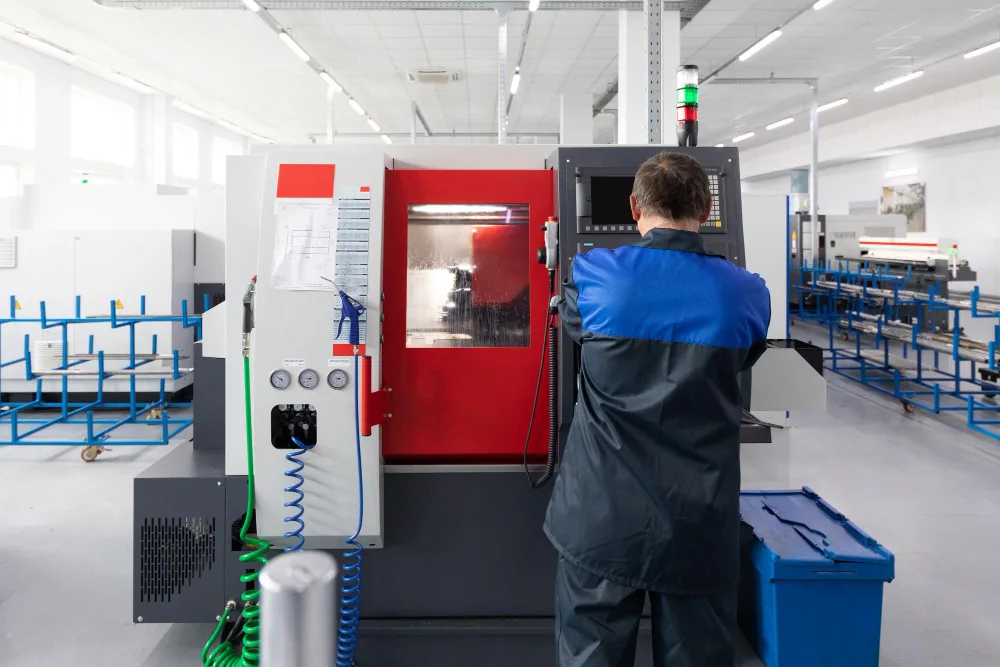
Automation can improve production flow by reducing repetitive manual tasks and supporting consistent part handling. Depending on the operation, robotic part removal, automated material handling, and inspection systems can contribute to greater efficiency.
However, automation alone does not guarantee better manufacturing outcomes. Its effectiveness depends on suitable equipment, appropriate process settings, preventive maintenance, and trained personnel.
Businesses should evaluate how a manufacturer’s equipment and process improvements address their specific production needs.
5. Supply Chain Coordination and Delivery Reliability
Manufacturing performance depends on more than what happens inside the production facility. Material availability, tooling schedules, packaging, transportation, and communication all influence whether components reach customers according to plan.
Proactive Production Planning
Effective manufacturers coordinate material purchasing, machine availability, production schedules, and order priorities to reduce avoidable interruptions.
They should also have clear procedures for communicating unexpected issues, such as material shortages, equipment maintenance, or changes in delivery schedules.
Understanding these procedures helps businesses assess how well a supplier can respond when production plans change.
Clear Communication Across Teams
Consistent communication prevents misunderstandings about product specifications, design revisions, inspection requirements, and delivery dates.
When engineering, production, quality, and logistics teams coordinate effectively, customers gain better visibility into project progress and potential risks. This becomes particularly valuable when a product requires several components or must meet a strict launch deadline.
6. Key Factors to Consider When Selecting a Manufacturing Partner
Selecting the right manufacturing partner involves evaluating technical expertise, production capabilities, and the ability to support future business needs. Focusing only on pricing can overlook differences in quality, technical assistance, and overall manufacturing reliability.
When evaluating injection molding companies in Mexico, businesses should consider the following factors:
- Technical capabilities: Confirm that the supplier can meet the required component dimensions, materials, tolerances, and production volumes.
- Quality management: Review inspection procedures, documentation practices, and relevant certifications.
- Engineering support: Determine whether the manufacturer can assist with design reviews, tooling decisions, and process improvements.
- Production capacity: Assess available equipment, scheduling practices, and the ability to support anticipated demand.
- Communication: Evaluate how the supplier handles technical questions, project updates, and unexpected changes.
- Total manufacturing cost: Consider tooling, materials, inspection, packaging, transportation, and other applicable expenses instead of focusing exclusively on unit price.
A structured evaluation allows businesses to compare suppliers against consistent criteria and make decisions based on verified capabilities rather than assumptions.
Conclusion
A manufacturing partner can influence far more than the price of an individual component. Engineering support, consistent quality, material expertise, and dependable production planning all contribute to successful manufacturing outcomes. Businesses that evaluate these factors carefully are better positioned to reduce avoidable risks, maintain product standards, and prepare for future demand. For companies considering injection molding in Mexico, selecting a supplier whose capabilities align with their technical requirements and long-term objectives can create a stronger foundation for efficient production and lasting business growth.
Frequently Asked Questions
1. What qualities distinguish leading injection molding manufacturers in Mexico?
Leading manufacturers typically combine engineering expertise, effective quality controls, appropriate production equipment, material knowledge, and clear communication. The most suitable supplier is one whose capabilities match the project’s technical, commercial, and production requirements.
2. Can Mexican injection molding suppliers manufacture complex components?
Yes, some suppliers can produce complex components using specialized tooling, engineering-grade plastics, and advanced process controls. However, capabilities vary between manufacturers. Businesses should verify equipment specifications, engineering resources, quality experience, and relevant certifications before selecting a supplier.
3. How can businesses compare injection molding suppliers effectively?
Businesses should assess technical capabilities, quality procedures, tooling expertise, production capacity, delivery performance, and total project costs. Reviewing sample parts, examining relevant documentation, and discussing specific production requirements can help determine whether a supplier is suitable.