Modern construction demands plumbing systems that deliver durability, efficiency, and long-term performance. Whether it is a residential apartment, commercial complex, industrial facility, or agricultural project, selecting the right pipes and fittings plays a significant role in ensuring uninterrupted water flow and reducing maintenance costs.
Over the years, the plumbing industry has evolved from conventional metal pipelines to advanced polymer-based solutions that offer superior strength and longer service life. Among these innovations, PPR pipes and composite pipes have emerged as two of the most preferred options due to their exceptional durability, corrosion resistance, and high-temperature performance.
As infrastructure development continues to expand across India, engineers, contractors, and homeowners are increasingly investing in premium-quality piping systems that can withstand changing environmental conditions while maintaining consistent performance for decades.
Understanding the Importance of Modern Pipes and Fittings
A plumbing system is much more than a network of pipes. Every fitting, connector, elbow, tee, and valve contributes to the overall efficiency of water transportation. Poor-quality materials often result in leakage, corrosion, scaling, and expensive repairs.
Modern pipes and fittings are designed to overcome these challenges by providing leak-proof joints, smooth internal surfaces, and resistance to chemical reactions. These advantages not only improve water quality but also reduce energy consumption by maintaining efficient water flow throughout the system.
Choosing high-quality materials ensures that the plumbing network remains dependable for years without frequent maintenance or replacement.
Why PPR Pipes Continue to Gain Popularity
One of the biggest advancements in plumbing technology has been the development of polypropylene random copolymer pipes, commonly known as PPR pipes. These pipes are widely used for hot and cold water distribution because of their outstanding strength and reliability.
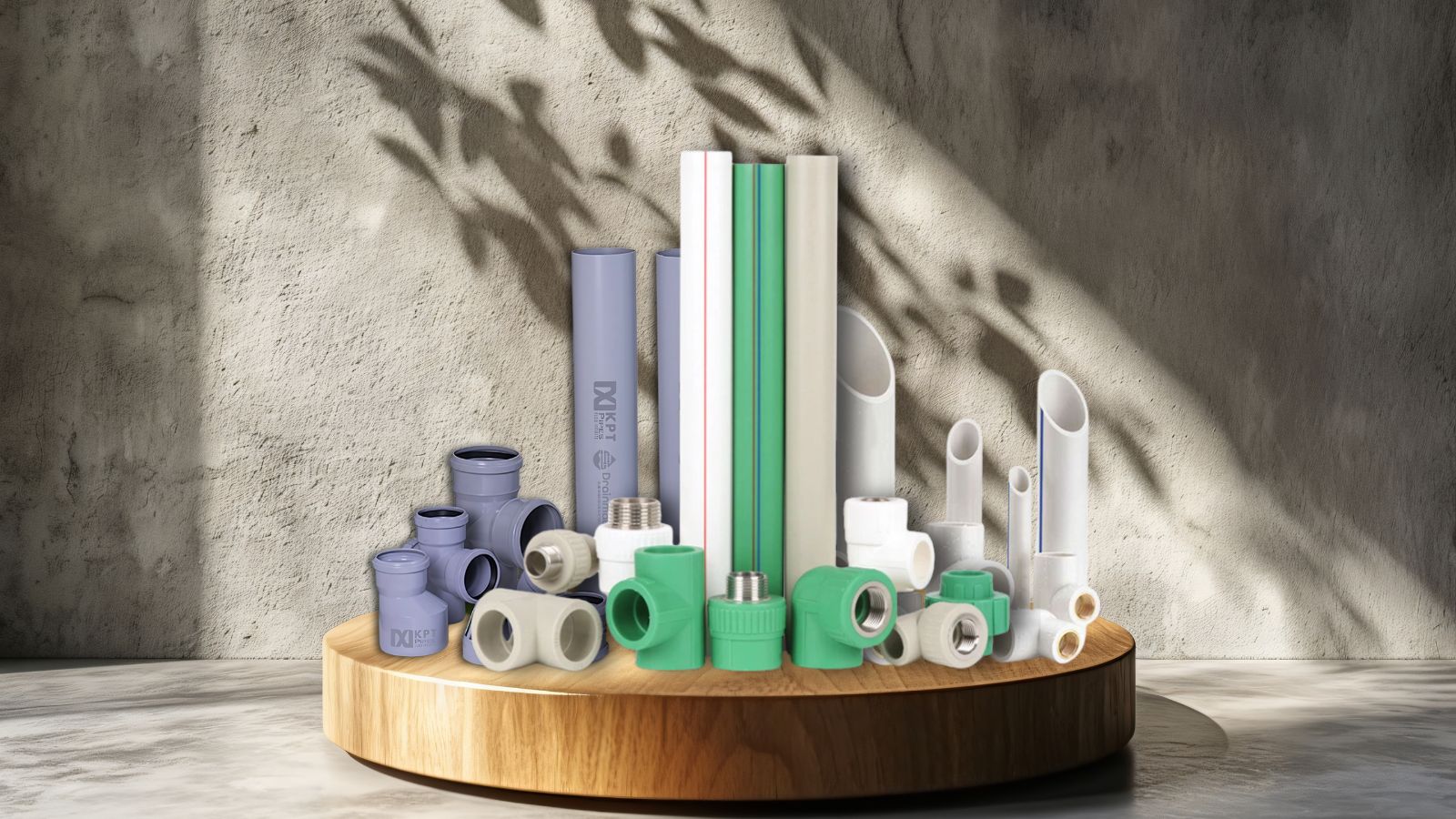
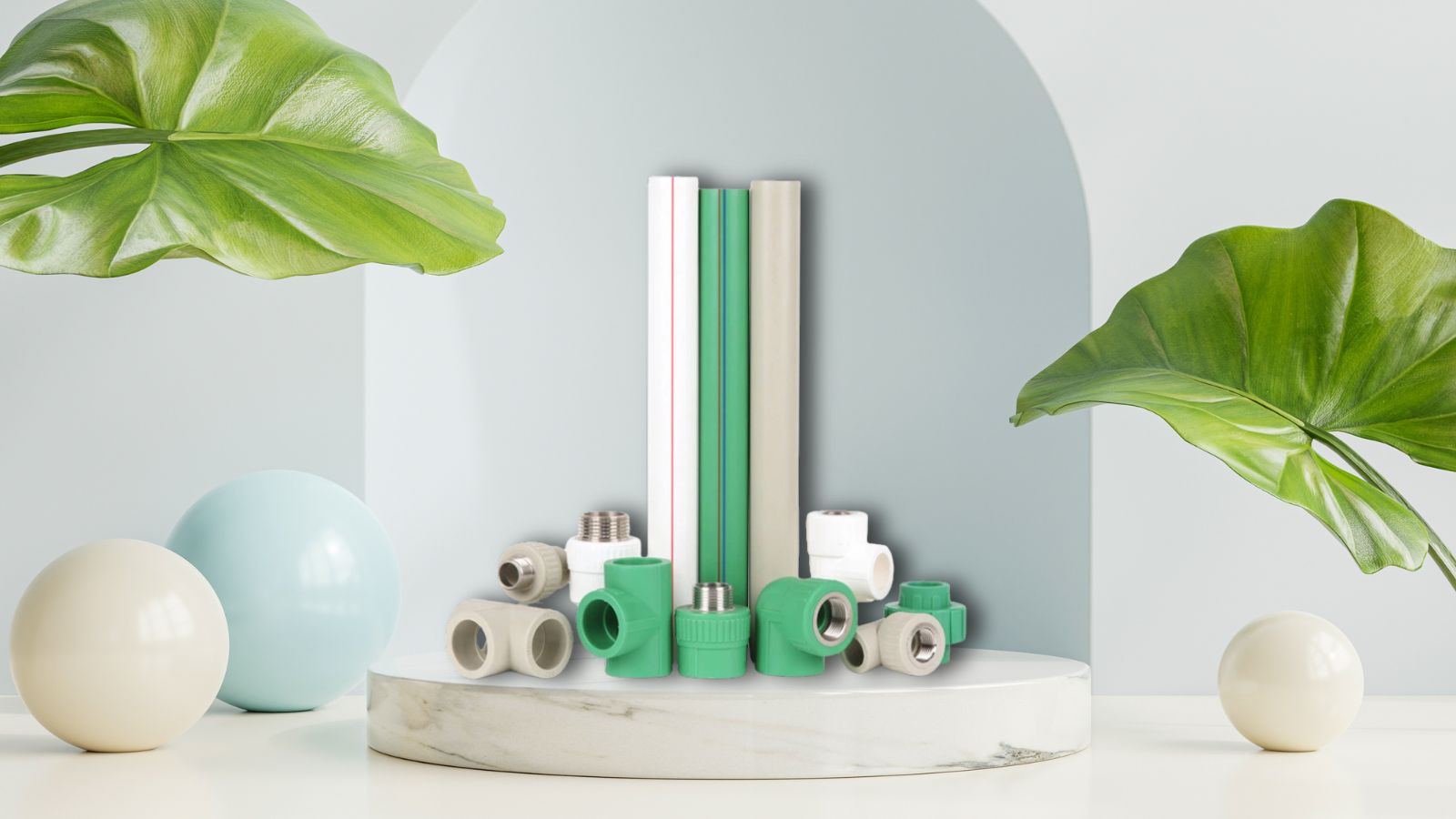
A premium-quality PPR Pipe offers excellent resistance to corrosion, scaling, rust, and chemical reactions. Unlike traditional metal pipes, it does not deteriorate due to continuous exposure to water, making it an ideal solution for residential and commercial plumbing systems.
Another major advantage is its heat fusion jointing process. Since the joints become an integral part of the pipe itself, the chances of leakage are significantly reduced. This seamless connection improves the overall lifespan of the plumbing system while minimizing maintenance expenses.
PPR pipes are also known for their excellent thermal insulation properties. They help maintain water temperature more effectively than conventional metal pipes, making them suitable for hot water supply lines, hospitals, hotels, educational institutions, and industrial facilities.
The Rise of Composite Pipes in Modern Construction
As building requirements become more demanding, composite pipes have emerged as an advanced solution that combines the advantages of multiple materials into one highly efficient piping system.
Composite pipes are engineered to deliver exceptional mechanical strength while maintaining flexibility and ease of installation. They are capable of handling higher pressures and temperatures compared to many conventional piping solutions.
Many infrastructure projects now prefer the best composite pipes in india because they offer superior dimensional stability, reduced thermal expansion, and outstanding durability under varying operating conditions.
These characteristics make composite pipes an excellent choice for commercial buildings, industrial plants, healthcare facilities, educational campuses, and large residential developments where consistent water supply and long-term reliability are essential.
Benefits of Advanced Pipes and Fittings
High-quality pipes and fittings provide several long-term advantages that directly impact the efficiency of an entire plumbing system.
One of the biggest benefits is corrosion resistance. Unlike metal pipes that may rust over time, modern polymer pipes remain unaffected by moisture, chemicals, and minerals commonly found in water.
Leak-proof joints are another major advantage. Properly installed pipes and fittings minimize water loss while protecting walls, ceilings, and flooring from water damage.
Their smooth internal surface reduces friction, allowing water to flow efficiently without pressure loss. This also prevents mineral deposits from accumulating inside the pipeline.
Lightweight construction simplifies transportation, handling, and installation, reducing labour costs and project completion time.
Most importantly, advanced pipes require very little maintenance throughout their service life, making them a cost-effective investment for both homeowners and commercial developers.
Applications Across Multiple Industries
Modern pipes and fittings have become indispensable across numerous industries because of their versatility and dependable performance.
Residential buildings use them for hot and cold water supply, bathrooms, kitchens, and concealed plumbing installations.
Commercial complexes rely on advanced piping systems for consistent water distribution, HVAC systems, and sanitary applications.
Industrial facilities benefit from their chemical resistance, making them suitable for transporting various fluids safely and efficiently.
Hospitals require hygienic plumbing systems that preserve water quality and prevent contamination, making PPR and composite pipes an ideal choice.
Educational institutions, hotels, shopping malls, airports, and government buildings also depend on high-performance piping systems to ensure uninterrupted water supply while minimizing maintenance requirements.
Agricultural irrigation projects increasingly adopt modern polymer pipes because they resist UV exposure, chemicals, and environmental stress, helping farmers improve water management efficiency.
Factors to Consider Before Selecting Pipes and Fittings
Every construction project has unique plumbing requirements. Selecting the right piping solution involves evaluating several important factors.
Operating temperature should be one of the primary considerations, especially for hot water applications where thermal resistance becomes essential.
Pressure ratings determine whether the pipe can safely handle the expected water pressure without deformation or leakage.
The quality of fittings also matters significantly because weak joints often become the primary source of plumbing failures.
Chemical compatibility should be evaluated whenever the pipes are intended for industrial or specialized applications involving chemical transportation.
Installation methods influence overall project costs. Modern heat-fusion technology used with PPR systems provides strong, permanent joints that enhance reliability over conventional threaded connections.
Finally, buyers should always select products from trusted manufacturers known for maintaining strict quality standards and consistent product performance.
Sustainability and Long-Term Value
Sustainable construction has become a priority across the building industry, and plumbing systems are no exception.
Modern polymer pipes contribute to environmentally responsible construction by offering longer service life and reduced replacement frequency. Their corrosion-resistant nature minimizes material waste while maintaining water quality throughout their operational lifespan.
Leak-free installations also help conserve water, an increasingly valuable natural resource. By reducing water loss and improving distribution efficiency, advanced pipes contribute to sustainable infrastructure development.
Lower maintenance requirements further reduce operational costs, making these systems economically beneficial throughout the life of the building.
Why Quality Matters More Than Price
Choosing low-cost plumbing materials may appear economical initially, but inferior products often result in recurring repairs, leakage, and premature replacement.
Investing in premium-quality pipes and fittings provides greater peace of mind by ensuring reliable performance under varying temperatures and pressures.
High-quality products undergo rigorous quality testing to verify their mechanical strength, pressure resistance, and dimensional accuracy. These standards help maintain consistent performance across residential, commercial, and industrial applications.
Over time, the reduced maintenance expenses and longer service life significantly outweigh the initial investment.
Conclusion
As modern infrastructure continues to evolve, the importance of selecting reliable pipes and fittings cannot be overstated. High-performance plumbing systems contribute to improved water distribution, lower maintenance costs, and enhanced durability across all types of construction projects.
Whether choosing PPR pipes for superior hot- and cold-water applications or advanced composite pipes for demanding installations, investing in quality materials ensures long-lasting performance and dependable results.
KPT Pipes continues to provide innovative piping solutions that meet the growing demands of modern construction. By combining advanced manufacturing technology with stringent quality standards, KPT Pipes delivers products designed to perform efficiently for decades. Choosing the right pipes today means building stronger, safer, and more sustainable infrastructure for the future.