A reliable plumbing system is one of the most important components of any residential, commercial, industrial, or infrastructure project. From transporting clean water to managing wastewater and supporting specialized applications, pipes and fittings play a crucial role in ensuring efficient and dependable fluid movement. Choosing the right material, size, design, and connection system can significantly influence the overall performance and service life of a plumbing installation.
With advancements in piping technology, modern systems now offer a wide range of solutions designed for different requirements. Among these, PPR and uPVC pipes have become popular choices because of their durability, ease of installation, and suitability for various plumbing applications. However, selecting the right product requires an understanding of the application, operating conditions, and expected performance.
Understanding the Importance of Quality Pipes and Fittings
Pipes form the main pathway through which water, wastewater, or other fluids travel, while fittings help create connections, changes in direction, branches, and transitions within the system. A plumbing network cannot perform efficiently if either component is poorly selected.
High-quality pipes and fittings can help create a secure and efficient system with properly designed connections. They are particularly important in concealed plumbing installations, where identifying and repairing a problem after construction can be difficult and expensive.
The right piping solution should offer appropriate strength, dimensional stability, reliable joints, and compatibility with the intended application. It should also be selected according to factors such as temperature, pressure, fluid characteristics, installation environment, and expected service conditions.
PPR Pipes for Modern Water Supply Systems
PPR pipes have gained significant popularity in modern plumbing because of their suitability for hot and cold water applications. Made from polypropylene random copolymer, these pipes are designed to provide a dependable alternative to traditional piping materials in many water distribution systems.
A major advantage of a PPR Pipe system is its ability to create strong and reliable joints through heat fusion. Instead of relying entirely on mechanical connections, properly fused PPR pipe sections can form a continuous piping network.
PPR systems are commonly considered for residential buildings, commercial properties, hotels, hospitals, institutional facilities, and other projects where dependable water distribution is important. Their lightweight nature can also make transportation and handling easier during installation.
Another important consideration is resistance to corrosion. Unlike conventional metal pipes that may be susceptible to corrosion under certain conditions, polypropylene-based piping does not rust. This characteristic can contribute to long-term reliability when the system is properly designed and installed.
Why Pipe Material Matters in Plumbing
Different plumbing applications require different characteristics. There is no single pipe material that is automatically suitable for every project. The correct choice depends on what the piping system needs to accomplish.
For drinking-water and hot-water distribution, designers may consider materials that provide suitable temperature and pressure performance. For drainage and wastewater applications, the priorities can shift toward smooth internal surfaces, efficient flow, chemical resistance, and easy installation.
This is why understanding the difference between piping materials is essential before beginning a project. A product that works effectively for water distribution may not necessarily be the best option for drainage or another specialized application.
uPVC Pipes for Drainage and Wastewater Applications
uPVC pipes are widely used in drainage, soil, waste, and wastewater systems. Their lightweight construction and resistance to corrosion make them suitable for many applications where traditional metallic piping may not be the preferred option.
When selecting drainage products, it is important to consider factors such as flow requirements, pipe diameter, slope, connection methods, installation conditions, and the type of wastewater being transported.
For projects that require dependable drainage solutions, choosing from the best uPVC pipes in India can help ensure that the selected system is aligned with the application’s performance requirements.
A properly designed uPVC drainage network can support efficient wastewater movement while reducing concerns associated with corrosion and excessive maintenance. The smooth inner surface of these pipes can also support efficient flow through appropriately designed systems.
The Role of Fittings in a Complete Piping System
Pipes alone cannot create a functional plumbing network. Fittings are essential for connecting individual sections and creating the required configuration.
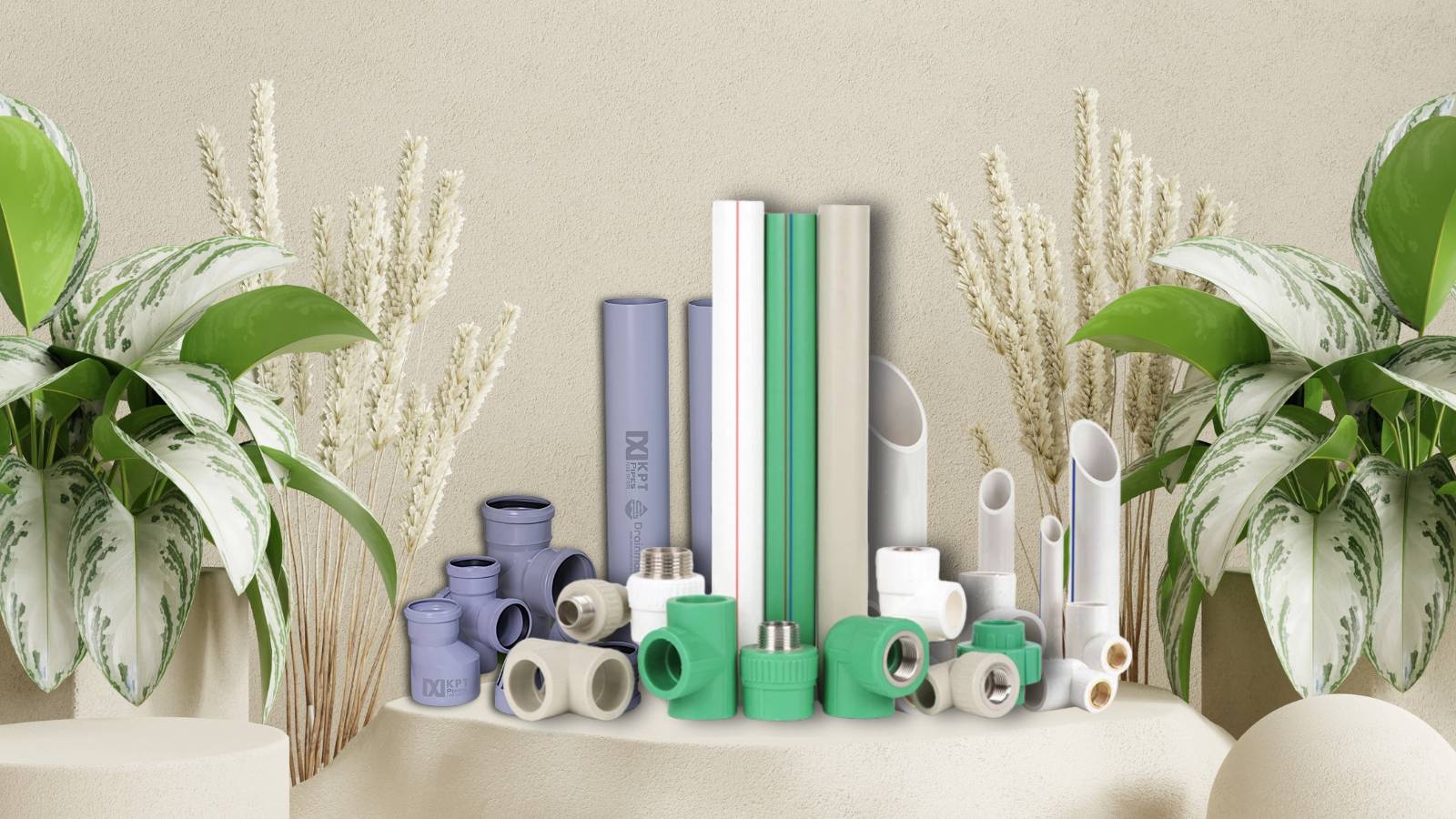
Elbows are used when the pipeline needs to change direction, while tees can create branches from a main line. Couplers can connect two pipe sections, reducers can connect pipes of different diameters, and other specialized fittings can help create connections with valves, fixtures, and equipment.
Compatibility between the pipe and fitting is extremely important. Even a high-quality pipe may not perform as expected if it is connected using unsuitable fittings or incorrect installation techniques.
A complete piping solution should therefore be considered as a system rather than a collection of individual products.
Factors to Consider When Selecting Pipes
Choosing the appropriate piping solution starts with understanding the project’s requirements. The application should be clearly defined before selecting a material or product.
For water supply systems, factors such as operating pressure, water temperature, expected flow rate, installation location, and building type should be evaluated. For drainage systems, pipe gradient, wastewater characteristics, discharge volume, and connection requirements become particularly important.
The environment also matters. Pipes installed underground may have different requirements from those installed inside walls, ceilings, service shafts, or exposed areas. Installation conditions, available space, and accessibility for maintenance should all be considered during planning.
Product quality and manufacturing standards are equally important. Pipes and fittings should be sourced from reliable manufacturers that follow appropriate production and quality-control practices.
Installation Quality Is Just as Important
Even the best piping products require proper installation to deliver their intended performance. Installation should be carried out according to the manufacturer’s recommended procedures and relevant project requirements.
For PPR systems, correct heat-fusion procedures are particularly important. Proper temperature, heating time, alignment, insertion depth, and cooling can influence the quality of the resulting joint.
Similarly, uPVC drainage systems require appropriate cutting, alignment, jointing, support, and slope. Incorrect installation can result in leakage, poor drainage, unnecessary stress, or premature system problems.
Professional installation therefore complements product quality. The combination of suitable materials and correct workmanship provides a stronger foundation for a dependable plumbing network.
Applications Across Different Sectors
Modern pipe and fitting systems are used across a wide variety of sectors. Residential buildings require reliable water distribution and drainage, while commercial properties often need larger and more complex plumbing networks.
Hotels, hospitals, educational institutions, offices, industrial facilities, and infrastructure projects may also require specialized piping solutions based on their operational requirements.
Agricultural applications can have different demands, including irrigation and water transportation. Industrial projects may require piping systems designed around specific operating conditions and fluids.
Because applications vary significantly, selecting products based on actual project requirements is more effective than simply choosing a pipe based on price or appearance.
Benefits of Choosing a Reliable Piping Solution
A properly selected piping system can provide several long-term benefits. Reliable pipe materials and compatible fittings can help reduce the possibility of leakage and maintenance issues while supporting consistent system performance.
Lightweight materials can also simplify handling and installation in many projects. Corrosion-resistant piping can be particularly useful in environments where metallic materials may face corrosion-related concerns.
Another important benefit is system longevity. When the pipe material, fittings, installation method, and operating conditions are appropriately matched, the complete system can provide dependable service for an extended period.
However, durability should always be considered alongside proper design and installation. No piping material can compensate for an incorrectly designed or poorly installed system.
KPT Pipes for Modern Piping Requirements
Selecting a dependable manufacturer is an important part of any piping project. KPT Pipes offers solutions designed for different plumbing and infrastructure requirements, including PPR and uPVC-based products and complementary fittings.
A well-planned piping system should combine appropriate materials, compatible fittings, professional installation, and application-specific design. Whether the requirement involves water supply, drainage, or another piping application, understanding the operating conditions before choosing products can help create a more efficient and dependable system.
Conclusion
Pipes and fittings are fundamental to modern plumbing and water management systems. From PPR pipes used for water distribution to uPVC solutions used for drainage, different materials provide different advantages for specific applications.
The key to a successful installation is not simply choosing the most popular pipe but selecting a solution that matches the project’s pressure, temperature, flow, environment, installation method, and long-term requirements. Quality fittings and proper installation are equally important because they contribute to the overall performance of the complete network.
By focusing on suitable materials, reliable products, compatible fittings, and professional installation, builders, contractors, architects, and property owners can develop plumbing systems designed for dependable long-term performance.