Pipes and fittings are among the most important components of any modern plumbing, drainage, agricultural or industrial infrastructure. Although they often remain hidden behind walls, beneath floors or underground, their performance directly affects the efficiency, safety and durability of an entire system. Choosing the right piping solution is therefore not simply about selecting a product of the correct size. It requires an understanding of the application, operating conditions, material properties and expected service life.
With advancements in piping technology, construction projects today have access to a wide range of solutions designed for specific requirements. From water distribution and hot-water applications to drainage, agriculture and fire protection, each system requires pipes and fittings that can deliver dependable performance.
For project owners, engineers, contractors and homeowners, understanding these options can make it easier to select an appropriate piping system and avoid unnecessary maintenance or replacement costs.
Understanding the Importance of Quality Pipes and Fittings
A piping system works as a complete network rather than a collection of individual components. Pipes transport water, fluids or waste, while fittings connect different sections and help create changes in direction, branches and transitions between different pipe sizes.
Even when high-quality pipes are selected, poor-quality fittings or improper installation can affect the overall performance of the system. For this reason, pipes and fittings should be selected as compatible components designed to work together.
Material quality is another important consideration. Pipes manufactured from suitable materials can provide resistance against corrosion, scaling, chemical exposure, temperature changes and mechanical stress, depending on their intended application. This can contribute to a longer-lasting system and reduce the frequency of repairs.
Different Types of Pipes for Different Applications
There is no single pipe material that is ideal for every project. Different environments and applications require different characteristics.
Plastic piping systems have become increasingly popular because they can offer advantages such as corrosion resistance, lightweight construction and ease of installation. However, the specific type of plastic and its formulation should always be selected according to the intended use.
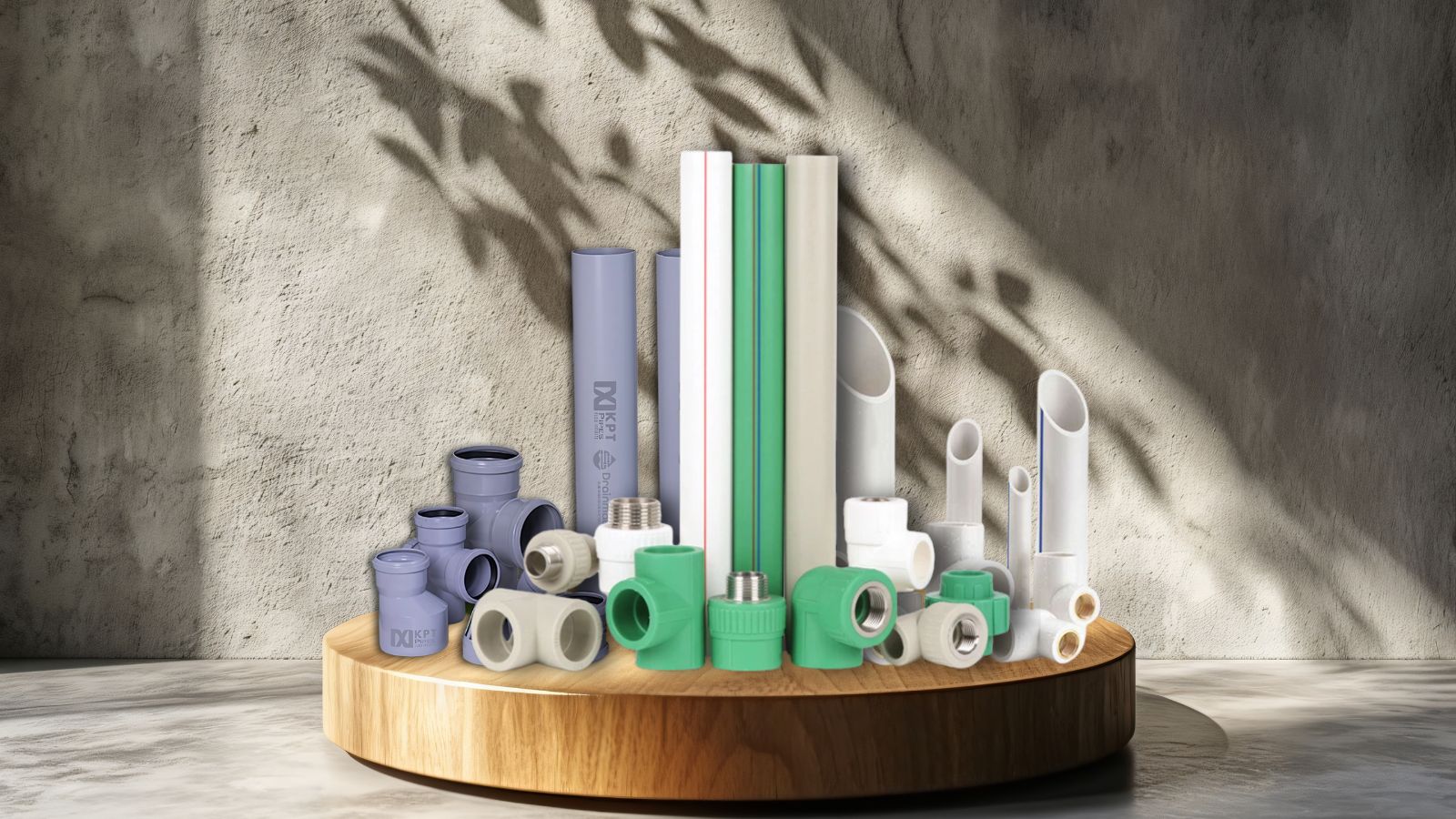
For plumbing and hot- and cold-water applications, PPR pipes are widely used as a modern piping solution. PPR, or polypropylene random copolymer, is valued for its resistance to corrosion and its suitability for water distribution systems. Its smooth internal surface can also help maintain efficient water flow while reducing the possibility of deposits accumulating inside the pipe.
PPR systems are particularly useful in residential, commercial and industrial plumbing applications where dependable water transportation is required.
PPR Pipes for Efficient Plumbing Systems
Modern buildings require plumbing systems that can handle regular water flow while maintaining performance over an extended period. PPR piping systems are designed to address many of the challenges traditionally associated with conventional metal pipes.
One of the notable characteristics of PPR is its resistance to corrosion. Unlike metallic piping, PPR does not rust, making it suitable for applications where long-term exposure to water could otherwise create corrosion-related problems.
Another advantage is its lightweight nature. PPR pipes can be easier to transport, handle and install compared with heavier traditional piping materials. Their connection method also allows sections to be joined securely through heat fusion, creating a continuous piping network when installed correctly.
However, product selection should always consider pipe specifications, pressure requirements, temperature conditions and the standards applicable to the project.
Drainage Pipes: An Essential Part of Infrastructure
While water supply systems receive considerable attention during construction, drainage infrastructure is equally important. An effective drainage system is responsible for safely transporting wastewater, rainwater and other unwanted fluids away from buildings and infrastructure.
Poor drainage can result in water accumulation, unpleasant odours, blockages, leakage and structural concerns. Therefore, selecting appropriate drainage pipes is essential for maintaining a clean and functional environment.
When evaluating options, factors such as pipe diameter, flow requirements, installation conditions, resistance to external pressure and expected usage should be considered. Projects may require different solutions depending on whether the pipes are being used for residential drainage, commercial buildings, industrial facilities or underground networks.
Those researching suitable drainage solutions can also explore this guide to the best drainage pipes in India to understand the factors that influence drainage pipe selection.
Why Pipe Material Matters
The material used to manufacture a pipe has a direct influence on its performance. Different materials have different levels of resistance to heat, pressure, chemicals, impact and environmental conditions.
For example, a pipe designed for hot-water transportation may require different performance characteristics from one used for underground agricultural irrigation. Similarly, drainage pipes need to handle wastewater and flow conditions that may be very different from those experienced by potable-water systems.
This is why purchasing decisions should not be based solely on price. A lower initial cost may not always represent better value if the product requires frequent repairs or replacement. Instead, buyers should consider the complete lifecycle of the piping system.
The Role of Fittings in a Piping Network
Pipes provide the primary pathway for fluid transportation, but fittings make it possible to create a functional network. Elbows, tees, reducers, couplers, unions and other fittings allow pipes to be connected according to the layout of a building or infrastructure project.
The quality and compatibility of these fittings are just as important as the pipes themselves. An incorrectly sized fitting can create leakage or restrict flow, while an unsuitable connection method can compromise system integrity.
For this reason, it is advisable to use pipes and fittings that are designed to work together. Proper installation is equally important because even a technically advanced product can perform poorly when installed incorrectly.
Pipes for Agriculture and Irrigation
Agriculture is another sector where piping systems play an important role. Efficient irrigation requires reliable transportation of water from its source to fields, gardens, greenhouses and other agricultural areas.
Agricultural pipes need to withstand outdoor conditions and regular exposure to moisture, soil and changing temperatures. Depending on the irrigation design, different pipe sizes and configurations may be required to maintain appropriate water distribution.
A well-designed agricultural piping network can help improve water management and support more efficient irrigation practices. Manufacturers therefore need to consider durability, ease of handling and application-specific requirements when developing agricultural piping solutions.
Selecting the Right Piping System
Choosing the right pipe involves more than comparing dimensions. Before purchasing, users should understand where the pipe will be installed and what it will be expected to handle.
The required diameter and pressure rating should be determined according to the system design. Temperature is another important factor, particularly for hot-water applications. Underground installations may require consideration of soil conditions, external loads and installation depth.
Quality certifications and applicable industry standards should also be reviewed. Purchasing products from an established manufacturer can provide greater confidence regarding manufacturing consistency, technical specifications and product availability.
Installation and Maintenance Matter Too
Even the best piping products require proper installation. Incorrect alignment, unsuitable joints, excessive bending or improper handling can negatively affect performance.
Installation should therefore be carried out according to the manufacturer’s recommendations and applicable technical practices. Pipes should also be stored and transported carefully to prevent unnecessary damage before installation.
Once installed, periodic inspection can help identify potential problems at an early stage. Checking visible joints, connections and accessible sections of a piping network can help detect leakage or other issues before they become more serious.
Building Reliable Piping Systems with KPT Pipes
Modern construction demands piping solutions that combine dependable performance, practical installation and long-term value. Whether the requirement involves plumbing, drainage, agriculture or specialized applications, selecting the right pipe and fitting system is an important part of project planning.
KPT Pipes provides a range of piping solutions designed for different infrastructure requirements. From PPR systems for modern plumbing applications to drainage and agricultural solutions, selecting the right product begins with understanding the specific demands of the project.