Introduction
A healthy home supports better sleep, improved well-being, and a safer living environment. A building biologist helps identify hidden environmental factors inside a property that may affect health, such as poor indoor air quality, moisture issues, mold, and electromagnetic fields (EMFs).
By assessing your home and recommending practical solutions, a building biologist can help create a healthier and more comfortable space for you and your family.
What Is a Building Biologist and How Can They Improve Your Home Health?
A building biologist is a specialist who studies how buildings, materials, and environmental factors affect human health. Their goal is to identify potential risks inside homes and suggest ways to reduce them.
Many modern homes contain invisible environmental stressors. These may include mold growth, poor ventilation, chemical pollutants, excessive electromagnetic exposure, and poor indoor air quality.
A professional Building Biologist Ireland assessment focuses on finding these issues and providing practical recommendations to improve living conditions.
Common Areas Evaluated
- Indoor air quality
- Mold and dampness
- Ventilation systems
- Chemical pollutants
- Building materials
- Water quality
- Electromagnetic fields (EMFs)
- Electrosmog sources
Signs Your Home May Need an Assessment
Many people are unaware that their home environment may be affecting their health.
You may benefit from an evaluation if you experience:
- Frequent headaches
- Poor sleep quality
- Allergies that worsen indoors
- Respiratory problems
- Persistent fatigue
- Unexplained skin irritation
- Mold odors
- Excessive condensation
- Concerns about nearby wireless technology or electrical systems
These symptoms can have multiple causes, but environmental factors inside a home are often overlooked.
Benefits of Working With a Building Biologist
Improved Indoor Air Quality
Indoor air can contain pollutants from cleaning products, furniture, paints, and building materials. Identifying these sources helps create cleaner air inside the home.
Reduced Mold and Damp Issues
Moisture problems can encourage mold growth. Early detection helps prevent structural damage and potential health concerns.
Better Sleep Environment
Many assessments focus on creating healthier sleeping areas by identifying environmental disturbances and reducing unnecessary exposures.
Lower Exposure to Environmental Stressors
A building biologist can identify sources of electromagnetic exposure and recommend practical reduction strategies without disrupting daily life.
Healthier Living Conditions
Small improvements often make a significant difference in overall comfort and well-being.
Increased Awareness
Homeowners gain a better understanding of how their living environment may influence health and lifestyle.
How Does the Assessment Process Work?
The assessment process is structured and practical.
Step 1: Initial Consultation
The specialist discusses your concerns, symptoms, and property details.
Step 2: Property Inspection
Different areas of the home are examined to identify environmental factors that may affect health.
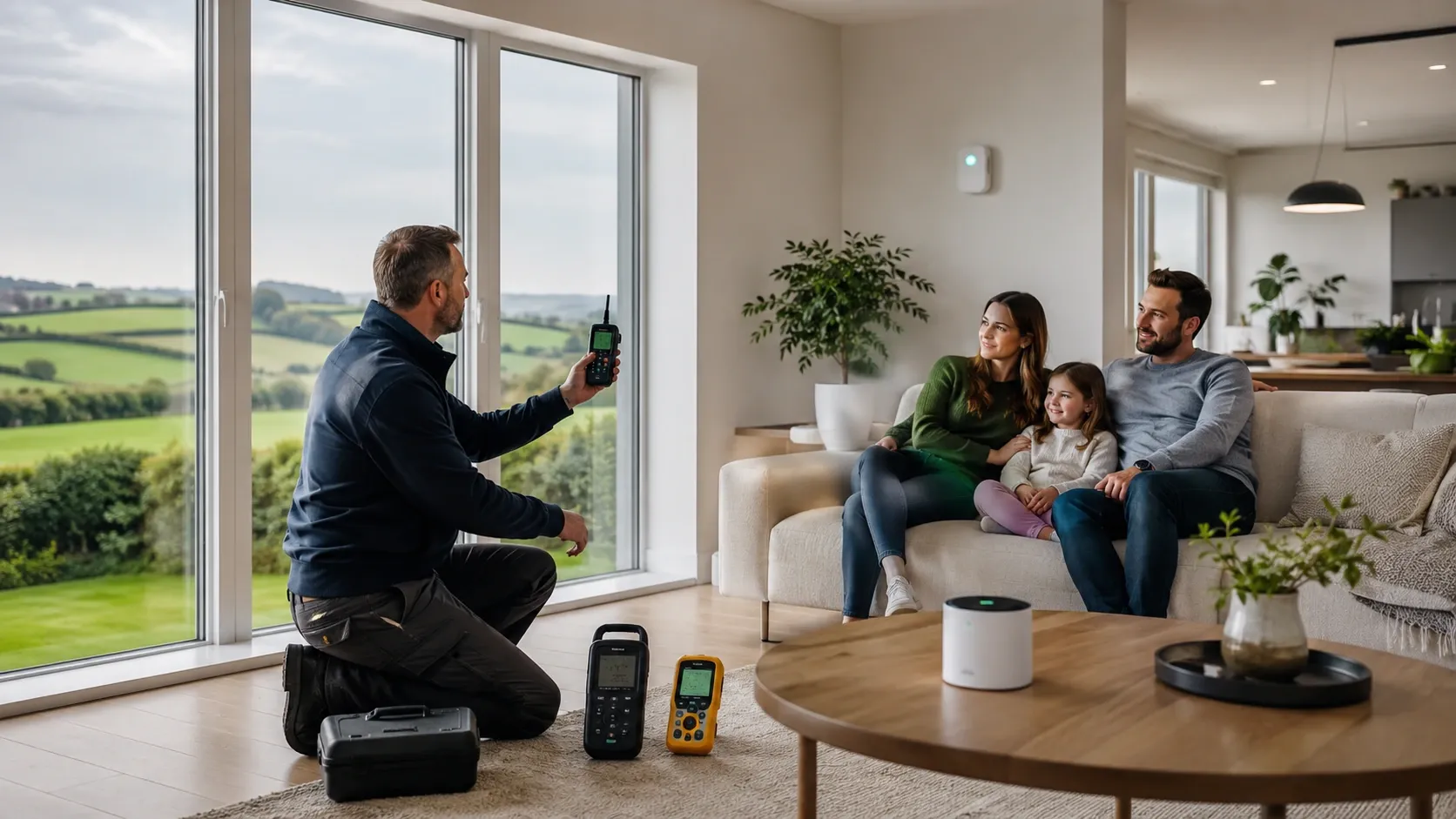
Step 3: Measurements and Testing
Various tools may be used to measure:
- Indoor air quality
- Moisture levels
- Mold indicators
- EMF levels
- Electrical fields
- Radiofrequency exposure
A professional Building Biologist Ireland service uses specialized equipment to collect accurate data.
Step 4: Detailed Report
The findings are organized into a clear report that explains any issues discovered.
Step 5: Recommendations
Practical solutions are provided based on the results. These recommendations are often prioritized according to urgency and budget.
Cost Details
The cost of a home health assessment varies depending on several factors.
Factors That Influence Cost
- Property size
- Number of rooms
- Type of testing required
- Location of the property
- Complexity of the assessment
Typical Services Included
- Home inspection
- Environmental measurements
- EMF testing
- Indoor air quality checks
- Written report
- Recommendations for improvement
Because every property is different, most professionals provide customized quotes based on the specific requirements of the assessment.
Who Is It Best For?
A home health assessment can benefit many people.
Families With Children
Children may be more sensitive to environmental conditions inside the home.
Individuals With Allergies
Identifying triggers such as mold, dust, or poor ventilation can help improve comfort.
People Experiencing Sleep Problems
A healthier sleep environment may support better rest and recovery.
Home Buyers
An assessment provides valuable information before purchasing a property.
People Concerned About EMF Exposure
Those looking to understand and reduce environmental exposure can benefit from professional testing and guidance.
Property Owners With Moisture Issues
Early identification of dampness and mold risks can prevent costly repairs later.
Practical Tips to Improve Home Health
Even before an assessment, homeowners can take simple steps to improve their environment.
- Open windows regularly for fresh air.
- Address water leaks quickly.
- Use low-toxicity cleaning products.
- Maintain proper ventilation.
- Reduce unnecessary wireless devices in sleeping areas.
- Monitor humidity levels.
- Clean HVAC and ventilation systems regularly.
These simple actions can help create a healthier indoor environment.
FAQs
What does a building biologist do?
A building biologist evaluates environmental factors inside homes that may affect health and well-being.
Can a building biologist test for EMFs?
Yes. Many professionals offer EMF measurements and recommendations to reduce exposure.
How long does a home assessment take?
Most inspections take a few hours, depending on the size and complexity of the property.
Is a building biology assessment worth it?
Yes. It can help identify hidden environmental issues that may affect comfort and health.
Can mold affect indoor health?
Yes. Mold exposure may contribute to respiratory issues, allergies, and unpleasant indoor conditions.
Who should consider a home health assessment?
Families, homeowners, home buyers, and individuals concerned about indoor environmental quality can all benefit.
Conclusion
Your home should be a place that supports health, comfort, and peace of mind. Hidden issues such as mold, poor air quality, moisture, and environmental pollutants can affect daily life without obvious warning signs.
A qualified Building Biologist Ireland professional can identify these concerns and provide practical recommendations to improve your indoor environment. Whether you are experiencing health concerns, purchasing a new property, or simply want a healthier home, professional guidance can make a meaningful difference.
Contact us today to schedule a professional home health assessment and take the first step toward creating a healthier living environment for you and your family.