Introduction
Choosing the right storage equipment is essential for efficient warehouse management. The right stillage helps improve storage capacity, protects goods, and streamlines material handling. Selecting the most suitable rental solution depends on your storage needs, product type, and operational requirements.
What Is Stillage on Rent for Warehouse Storage?
A stillage is a strong storage and transportation structure designed to hold, organize, and protect goods within warehouses, manufacturing units, and logistics facilities. Renting a stillage allows businesses to use high-quality storage equipment without making a large upfront investment.
Many companies choose stillage on rent when they need temporary storage solutions, seasonal inventory support, or flexible warehouse operations. Rental options provide access to durable storage systems while reducing capital expenses.
Why Is Choosing the Right Stillage Important?
The wrong storage solution can lead to damaged goods, wasted space, and inefficient workflows. On the other hand, the right stillage improves warehouse productivity and helps maintain a safe working environment.
A suitable storage unit should match your inventory size, weight, handling requirements, and available warehouse space.
Benefits of Choosing the Right Rental Stillage
Better Space Utilization
Properly selected storage frames maximize vertical and horizontal warehouse space. This helps businesses store more products without expanding their facilities.
Improved Product Safety
Strong storage systems protect goods from damage during storage and transportation. This is especially important for fragile or high-value items.
Lower Initial Investment
Rental solutions eliminate the need for large capital spending. Businesses can access quality storage equipment at a manageable cost.
Operational Flexibility
Warehouse requirements often change. Rental options allow businesses to increase or decrease storage capacity as needed.
Easy Inventory Management
Organized storage makes it easier to locate, track, and manage products. This improves overall warehouse efficiency.
Reduced Maintenance Concerns
Many rental providers handle maintenance and repairs, reducing operational burdens for businesses.
How to Choose the Right Stillage for Warehouse Storage
1. Understand Your Storage Requirements
Start by identifying the products you need to store.
Consider:
- Product dimensions
- Weight capacity
- Storage duration
- Handling frequency
- Safety requirements
Different products require different storage solutions.
2. Evaluate Load Capacity
Always choose a storage system that can safely support your inventory weight.
Overloading can damage equipment and create safety risks. Check load ratings before finalizing any rental agreement.
3. Consider Warehouse Space
Measure your available storage area carefully.
Look at:
- Floor space
- Ceiling height
- Aisle width
- Forklift movement areas
The right design should maximize storage without restricting warehouse operations.
4. Choose the Appropriate Type
Different warehouse applications require different types of storage frames.
Common options include:
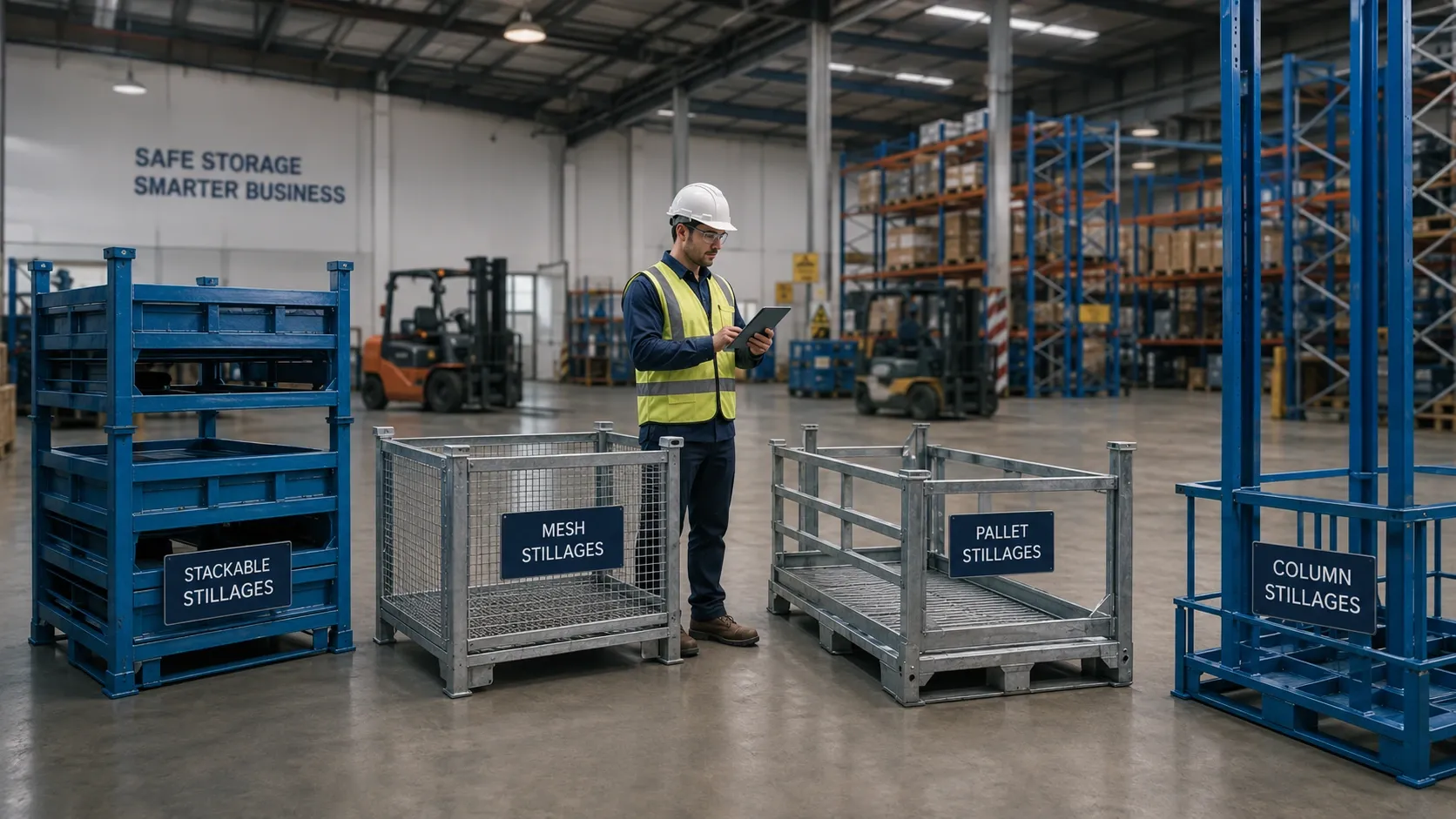
- Stackable stillages
- Collapsible stillages
- Mesh stillages
- Heavy-duty stillages
- Customized storage units
Select a design that matches your operational needs.
5. Check Material Quality
The durability of storage equipment directly affects safety and performance.
Look for:
- Strong steel construction
- Corrosion-resistant finishes
- Quality welding
- Stable structural design
High-quality equipment lasts longer and performs better.
6. Assess Handling Requirements
Consider how goods will be moved.
If forklifts or pallet trucks are used regularly, ensure the equipment is compatible with your handling systems.
7. Review Rental Terms
Before choosing stillage on rent, review the rental agreement carefully.
Pay attention to:
- Rental duration
- Delivery charges
- Maintenance responsibilities
- Replacement policies
- Extension options
Clear terms help avoid unexpected costs later.
8. Choose a Reliable Supplier
Work with a supplier that has experience in warehouse storage solutions.
A trusted provider can help recommend the best equipment for your specific requirements and ensure timely support when needed.
Common Problems When Choosing the Wrong Storage Solution
Limited Storage Efficiency
Incorrect equipment may waste valuable warehouse space.
Product Damage
Poorly designed storage systems can lead to damaged inventory.
Safety Hazards
Overloaded or unsuitable units increase workplace risks.
Higher Operating Costs
Inefficient storage often results in additional labour and handling expenses.
Reduced Productivity
Workers spend more time locating and moving inventory when storage systems are not optimized.
Cost Details
The cost of renting warehouse storage equipment varies based on several factors.
Factors That Affect Rental Cost
Type of Equipment
Heavy-duty and customized options generally cost more than standard designs.
Rental Duration
Long-term rental agreements often provide better pricing than short-term rentals.
Quantity Required
Bulk rentals may qualify for discounted rates.
Load Capacity
Higher-capacity units typically have higher rental costs.
Delivery and Logistics
Transportation charges may affect the total rental expense.
Is Renting More Cost-Effective Than Buying?
For temporary projects, seasonal demand, or growing businesses, renting often provides better value. Companies avoid large upfront investments and gain greater flexibility.
Who Is It Best For?
Rental storage solutions are ideal for:
Warehouses
Businesses that need flexible storage capacity.
Manufacturing Companies
Organizations handling raw materials and finished products.
Logistics Providers
Companies managing transportation and distribution operations.
Seasonal Businesses
Businesses that experience fluctuating inventory levels throughout the year.
Growing Enterprises
Companies expanding operations without committing to permanent equipment purchases.
FAQs
What is a stillage used for?
A stillage is used to store, organize, protect, and transport goods within warehouses and industrial facilities.
Is renting a good option for short-term storage needs?
Yes. Renting provides flexibility and eliminates large upfront costs.
How do I choose the right load capacity?
Select a unit that safely supports the maximum weight of your stored products.
Are rental storage systems suitable for heavy materials?
Yes. Heavy-duty options are available for industrial and manufacturing applications.
Can rented stillages be used outdoors?
Some models are designed for outdoor use. Check material specifications before renting.
How long can I rent warehouse storage equipment?
Rental periods vary by supplier and can range from a few weeks to several years.
Conclusion
Choosing the right warehouse storage solution requires careful planning. Consider your inventory type, load capacity, warehouse layout, handling methods, and rental terms before making a decision. The right choice improves efficiency, enhances safety, and reduces operational costs.
If you are looking for reliable and flexible warehouse storage solutions, contact us today to find the right rental option for your business needs.